

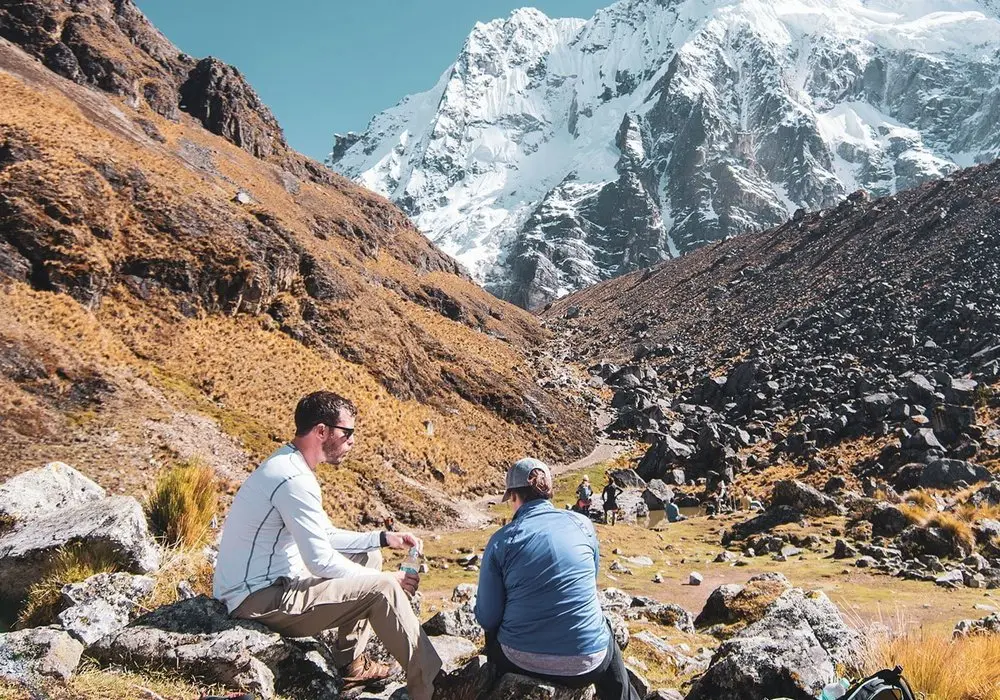
Preparing the perfect Salkantay Packing List can make the difference between an unforgettable journey through the Andes and a physically exhausting experience that steals the joy from the trail. The Salkantay route is one of the most incredible—and challenging—treks in Peru, stretching across dramatic mountain passes, cloud forests, glacial lakes, and humid jungle paths before reaching the gates of Machu Picchu. Because it crosses multiple ecosystems in just a few days, packing strategically is absolutely essential. The weather can shift in minutes, temperatures vary drastically between night and day, and trail conditions change depending on the season.
This guide has been crafted by someone who knows the route, understands the climate, and has seen travelers arrive well-prepared—and others struggle due to simple packing mistakes. In the following sections, you’ll find a fully detailed Salkantay gear list, a printable-style breakdown of essentials, explanations of why each item matters, and practical advice based on real trail conditions. Whether you’re traveling during dry season or the green, rainy months, this article will walk you through every item that earns a place in your backpack and everything that should stay home.
Understanding the Salkantay Climate and Why Packing Matters
Before diving into specific items, it’s important to understand what makes packing for Salkantay unique. Unlike many treks where temperature and terrain remain stable, the Salkantay route crosses several natural zones:
- High Andean mountains (above 4,000 m): freezing nights, intense sun, strong winds
- Glacial pass at Salkantay Mountain: coldest point of the trek, potential snow or sleet even in dry season
- Cloud forest: warm days, sudden rain showers, muddy terrain
- High jungle: humid and hot, with plenty of insects
This dramatic shift means you must prepare for almost every climate: cold, heat, rain, wind, and humidity. Your Salkantay Packing List must therefore be versatile, light, and efficient. Overpacking will weigh you down—not ideal at altitude—while underpacking may leave you cold, wet, or unprotected.
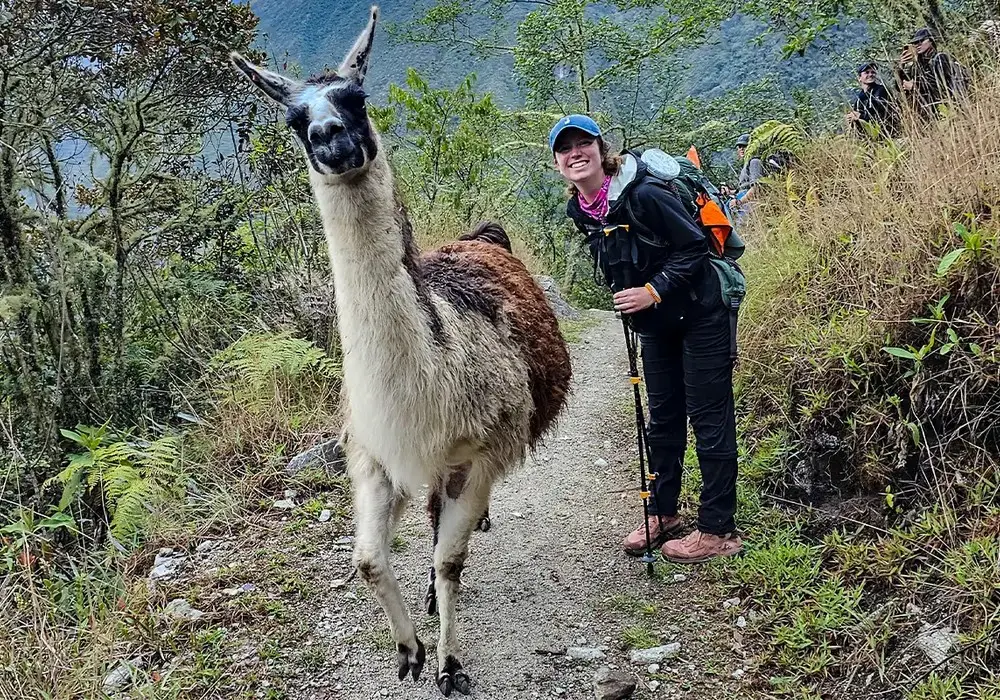
Backpacks and Storage: Choosing the Right Setup
Your backpack setup is the foundation of your entire packing strategy. Most travelers carry two bags:
- Main duffel or trekking bag (15–30 L) handed to the horsemen
- Daypack (20–35 L) that you carry yourself each day
Choosing the Right Daypack
Your daypack should be light but sturdy, with comfortable shoulder padding and a supportive waist strap. Ideally, it includes:
- Hydration bladder compatibility (2–3 liters)
- Exterior side pockets for water bottles
- Rain cover included
- Chest strap to stabilize weight
- Breathable back panel
A 25–30 L daypack is the sweet spot: big enough for essentials but small enough to remain comfortable at altitude.
Main Trekking Bag
Tour operators usually provide a duffel to carry your clothing and gear. If you bring your own, choose something weather-resistant with strong zippers. You won’t access this bag during the day, so pack it thoughtfully: nighttime clothing, camp shoes, toiletries, and extra layers remain here.
Clothing Layer System: The Heart of Your Salkantay Packing List
Proper layering is the secret to staying warm during glacial nights and cool during intense climbs.
Base Layers: Moisture and Temperature Control
Base layers help regulate body temperature and wick sweat. Cotton should be avoided—it traps moisture and gets cold quickly. Instead, choose:
- Merino wool or synthetic tops (1–2 pieces)
- Thermal leggings for sleeping and high-altitude nights
- Sports bra and moisture-wicking underwear
Merino wool is ideal because it doesn’t absorb odor, making it perfect for multi-day treks.
Mid Layers: Warmth Retention
Mid layers insulate your core. You’ll need at least two options:
- Fleece jacket (light or medium weight)
- Insulated down jacket (packable, lightweight)
Temperatures at Soraypampa camp can drop below freezing, so a quality insulating layer is essential.
Outer Layer: Wind and Rain Protection
A reliable shell is crucial for Salkantay. The weather is notoriously unpredictable around the mountain pass.
Essential outer layers include:
- Waterproof, breathable rain jacket (with hood)
- Rain pants
- Windbreaker (optional but useful in shoulder seasons)
Choose materials like Gore-Tex or other waterproof membranes that vent moisture while blocking rain.
Trekking Shirts and Pants
For daytime hiking:
- Lightweight trekking shirts (quick-dry, breathable)
- Convertible trekking pants that can zip off into shorts
- Second pair of pants for night/camp
Avoid jeans or heavy cotton pants; they dry slowly and restrict movement.
Camp Clothing
After a long hiking day, nothing feels better than changing into dry, cozy clothes:
- Warm leggings or sweatpants
- Dry wool socks
- Soft long-sleeve shirt
- Warm hat for cold nights
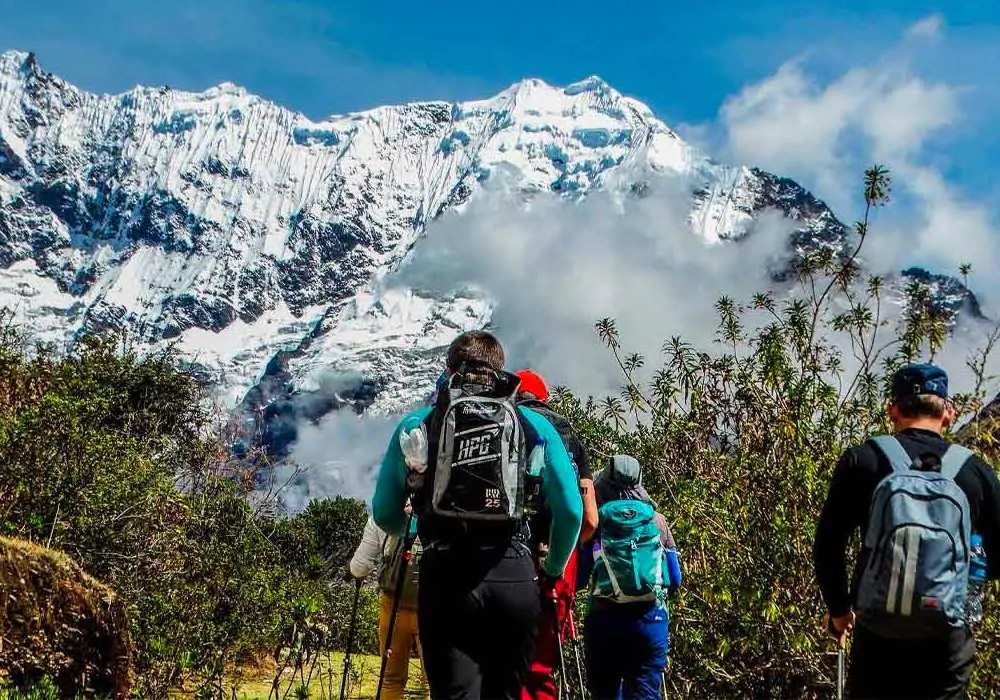
Footwear: The Most Critical Component of Your Salkantay Gear List
Trekking Boots
Your boots must be fully broken in before you begin the trek. Choose:
- Ankle-support hiking boots
- Vibram or deeply treaded soles
- Waterproof membrane
- Good heel and arch support
Boots are non-negotiable on Salkantay. The trail includes loose rocks, steep ascents, and slippery mud.
Camp Shoes
After hours on the trail, your feet need rest. Toss in:
- Lightweight sandals
- Crocs or slip-on shoes
These are perfect for using at camp, visiting dining tents, or letting your boots air out.
Socks
Quality socks prevent blisters, keep your feet warm, and manage sweat:
- 3–4 pairs of merino wool trekking socks
- 1 pair of thick wool sleeping socks
Avoid cotton socks—they promote friction and blisters.
Sleeping Gear: Staying Warm Through Andean Nights
Most agencies provide a sleeping bag, but if you bring your own, choose:
- 0°C or -10°C mummy bag
- Sleeping bag liner (adds warmth and improves hygiene)
Nights at Soraypampa can be extremely cold, and a liner gives extra insulation while taking very little space.
Electronics and Power: Staying Charged in Remote Areas
Electricity is limited along the Salkantay Trek. Only a few campsites offer charging stations, and use may require a small fee. Pack smart:
- Portable power bank (10,000–20,000 mAh)
- Headlamp with spare batteries
- Phone charger
- Camera + extra memory card
- Global travel adapter
A headlamp is especially important for navigating camp at night, using bathrooms, or early morning hikes.
Water and Hydration System
Hydration is essential at altitude. Choose one of these systems:
- Hydration bladder (recommended for easy sipping)
- Two reusable water bottles (1 L each)
Additionally, bring:
- Water purification tablets
- Portable filter (like a Sawyer Mini)
Even if your operator provides boiled water, having purification options is a responsible backup.
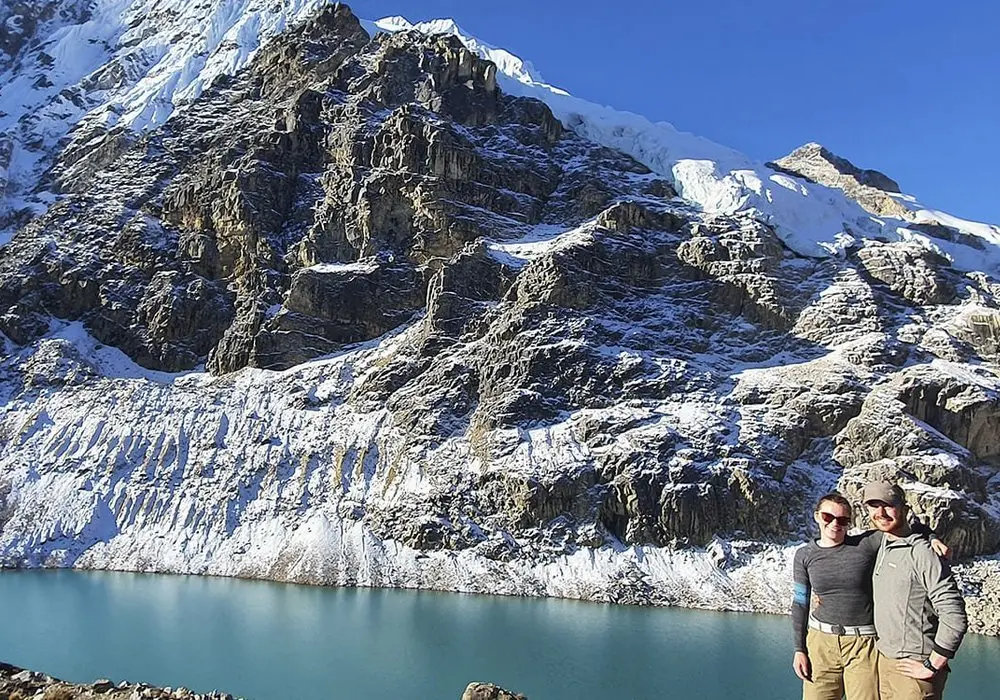
Toiletries and Personal Care Essentials
This list covers what you truly need—nothing more, nothing less.
- Sunscreen (high altitude UV is intense)
- Lip balm with SPF
- Toothbrush + travel toothpaste
- Biodegradable soap
- Wet wipes
- Hand sanitizer
- Quick-dry towel
- Deodorant
- Hair ties or headbands
- Toilet paper (always carry a small amount with you)
Trail bathrooms vary widely in quality. Toilet paper is often absent.
First Aid and Altitude Medicines
Health preparation is a key part of your Salkantay Trek packing strategy. Camp elevation reaches over 3,900 m, which means altitude effects are common.
Recommended Medications
- Altitude pills (Acetazolamide)
- Ibuprofen for headaches
- Antidiarrheal medicine
- Antihistamines
- Personal prescription medications
Additional First Aid Items
- Band-Aids
- Blister pads (Compeed recommended)
- Athletic tape
- Antiseptic cream
- Small emergency kit
Many travelers underestimate how helpful blister pads are until they start descending steep jungle trails.
Accessories and Small Essentials
These items make your trek smoother, more comfortable, and safer:
- Trekking poles (highly recommended for downhill sections)
- Sunglasses (UV protection)
- Buff or neck gaiter
- Warm gloves
- Sun hat
- Beanie for cold nights
- Plastic bags or dry sacks for separating wet clothes
- Small padlock for duffel bag
- Notebook + pen
- Printed permits and tickets
Trekking poles dramatically reduce pressure on your knees, especially during long descents into the jungle.
Food and Snacks
While operators provide meals, having your own snacks can help maintain energy on long climbs:
- Nuts, trail mix
- Granola bars
- Electrolyte tablets
- Dark chocolate
- Dried fruit
Altitude can reduce appetite, so easy-to-eat snacks are very helpful.
Seasonal Adjustments for Your Salkantay Packing List
Dry Season (May–September)
Expect cold nights and clear days. Pack:
- Warmer mid-layers
- Extra sunscreen
- More insulation for sleeping
Rainy Season (November–March)
Expect unpredictable rain and muddy trails. Add:
- Stronger waterproof shells
- More socks
- Quick-dry clothing
- Extra dry bags
Shoulder Seasons (April, October)
Weather fluctuates—prepare for both scenarios.
What to Leave at Home
Travelers often carry unnecessary items that add weight but offer little value on the trail. Avoid bringing:
- Heavy books
- Full-sized shampoo bottles
- Excessive amounts of clothing
- Multiple pairs of shoes
- Jewelry
- Fragile accessories
- Hair dryers or appliances
- Bulky jackets without packability
Weight adds up quickly when climbing to 4,600 meters. Pack intentionally and choose versatile fabrics.
Environmental Responsibility on the Trail
Salkantay is a spectacular natural region that requires respectful travel practices. Consider:
- Using biodegradable toiletries
- Bringing a reusable bottle instead of buying plastic
- Packing out all personal trash
- Avoiding single-use wet wipes whenever possible
- Staying on marked trails
The Andean communities along the route depend on tourism but also work hard to preserve their environment. Conscious packing supports this effort.
Final Printable-Style Salkantay Gear List Summary
Below is a simplified version of your full packing list—easy to screenshot or print.
Essential Clothing
- Base layers (2)
- Fleece jacket
- Down jacket
- Waterproof jacket + rain pants
- Trekking pants (2)
- Camp clothes
- Wool socks (3–4)
- Sleeping socks
Footwear
- Waterproof hiking boots
- Camp sandals
Gear
- Daypack + rain cover
- Duffel bag
- Sleeping bag + liner
- Trekking poles
- Headlamp
- Power bank
Toiletries
- Sunscreen
- Lip balm
- Biodegradable soap
- Wet wipes
- Toothbrush + paste
- Hand sanitizer
Health Items
- Altitude pills
- First aid kit
- Anti-inflammatory meds
Accessories
- Hat, buff, beanie
- Sunglasses
- Dry sacks
- Gloves
Documents & Money
- Passport
- Permits
- Cash
Conclusion
Packing for the Salkantay route isn’t just about filling a backpack—it’s about preparing your body, mind, and gear for one of the most diverse and breathtaking treks in Peru. This detailed Salkantay Packing List gives you everything you need to stay warm at glacial camps, dry during sudden cloud forest rains, and comfortable during long jungle descents. By packing thoughtfully and responsibly, you’ll not only protect yourself from the elements but also enhance your overall trekking experience. When you finally stand at the Salkantay Pass, surrounded by towering glaciers and ancient Andean energy, you’ll understand why being well-prepared matters. Good gear allows you to focus on the beauty of the mountains, the rhythm of the trail, and the rewarding journey toward Machu Picchu. Above all, a smart Salkantay packing list ensures you enjoy every moment of this extraordinary adventure.