

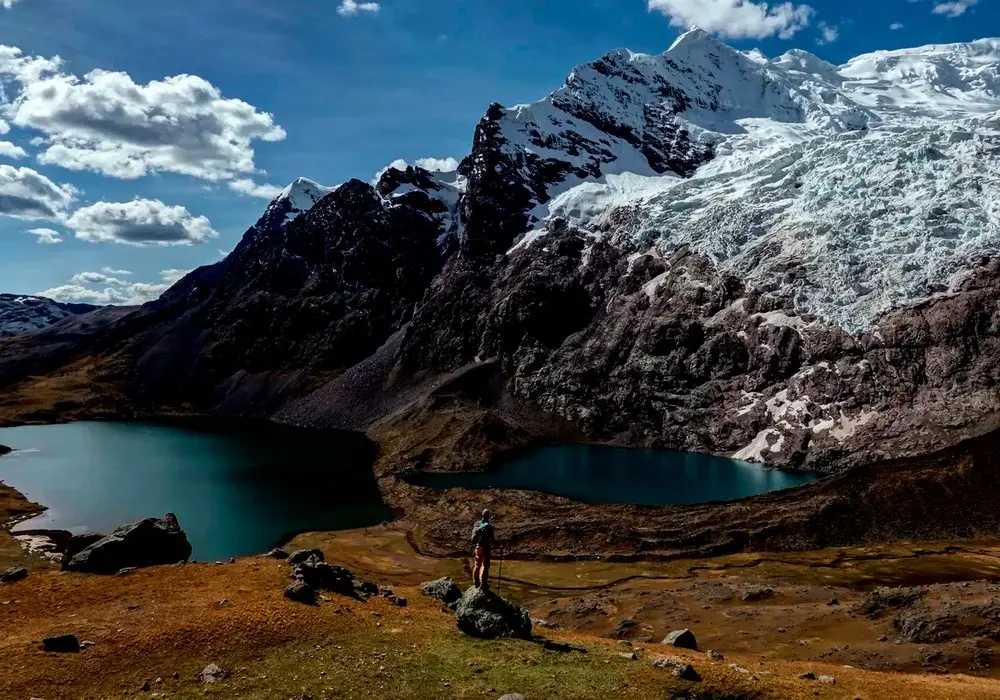
If you’re wondering How Hard is the Salkantay Trek, you’re not alone. Every year thousands of travelers from around the world arrive in Peru with the dream of hiking this iconic route toward Machu Picchu. The trek is famous for its wild Andean landscapes, high-altitude passes, glacier views, and a sense of adventure that feels more authentic than the classic Inca Trail. But with its beauty also comes challenge: steep climbs, long days, unpredictable weather, thin air, and rugged terrain.
Yet the Salkantay Trek is not designed only for elite athletes. With the right preparation, proper acclimatization, and a realistic understanding of what to expect, most moderately fit hikers can complete it safely and enjoyably. This guide breaks down everything you need to know: altitude, difficulty, weather, physical conditioning, route details, and fitness tips based on real experiences from professional guides and trekkers who have walked this trail dozens of times.
WHAT MAKES THE SALKANTAY TREK HARD?
Many treks around the world are physically demanding, but Salkantay stands out because of a combination of altitude, climatic extremes, and long distances. What makes it harder is not one single aspect—it’s the accumulation of several factors happening simultaneously.
Elevation
The Salkantay Pass reaches 4,630 meters (15,190 ft). At this altitude, the oxygen level is significantly reduced, and even simple movements require more effort.
Long Hiking Days
Most days involve 6–9 hours of continuous walking, often with steep ascents or long descents that test both endurance and leg strength.
Changing Weather
Salkantay can shift from sunny and warm to freezing winds and snow within hours. This unpredictability adds challenge and requires good preparation.
Terrain Variety
You cross high Andes, rocky passes, jungle cloud forests, and steep valleys. Constant changes in terrain mean your muscles constantly adapt.
Despite these challenges, the trek is manageable for most travelers who hike regularly, prepare adequately, and give themselves enough time to acclimatize.
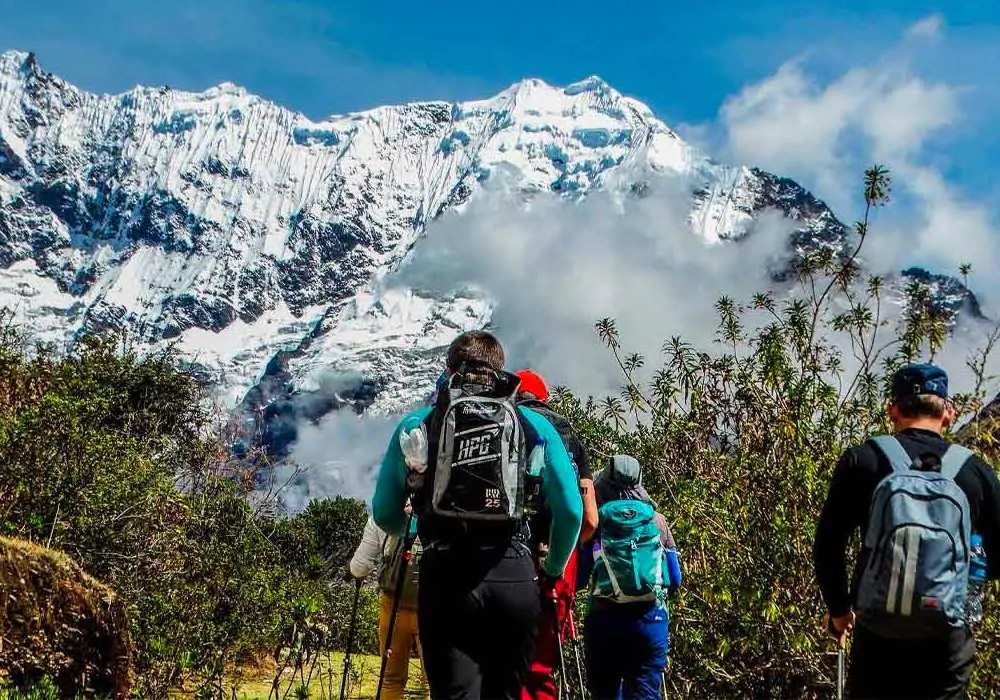
UNDERSTANDING THE ROUTE: DISTANCE, ELEVATION & TERRAIN
Total Distance
Depending on the itinerary, Salkantay Trek covers between 60 to 74 km (37–46 miles).
Elevation Profile
- Lowest point: ~1,800 m (5,900 ft) in Santa Teresa
- Highest point: Salkantay Pass at 4,630 m (15,190 ft)
- Average daily elevation gain/loss: 600–1,000 m
Terrain Overview
- Rocky and steep switchbacks approaching the pass
- Loose gravel on descents
- Muddy trails in cloud forests
- Packed dirt roads near coffee plantations
- Jungle paths on final approach to Aguas Calientes
This combination creates a physically demanding yet diverse trekking experience that keeps you fully engaged.
THE IMPACT OF ALTITUDE ON DIFFICULTY
Altitude is the number one factor that affects how hard the Salkantay Trek feels.
Even physically strong hikers sometimes struggle because altitude affects the oxygen saturation in the blood. At 4,630 meters, the air contains roughly 40% less oxygen than at sea level.
Common Symptoms of Altitude
- Elevated heart rate
- Shortness of breath
- Headache
- Fatigue
- Dehydration
- Insomnia
Why Salkantay is Tougher Than Expected
Unlike the Inca Trail, you gain altitude very quickly, often reaching high passes by the second day. The early ascent can surprise travelers who arrived with limited acclimatization time.
Altitude Strategy
The key is arriving in Cusco at least 2–3 days before starting the trek and doing shorter acclimatization hikes like:
- Cristo Blanco
- Saqsaywaman
- Laguna Humantay (if not included in Day 1)
WEATHER & SEASONAL CHALLENGES
The Salkantay region has dramatic weather contrasts due to its geography.
Dry Season (April–October)
- Best visibility
- Colder nights
- Stable weather
- More hikers
Rainy Season (November–March)
- Warmer temperatures
- Heavy rain
- Mudslides possible
- Trail becomes slippery
The Salkantay Pass Region
Even in the dry season you might experience:
- Snowstorms
- Intense winds
- Temperatures below freezing
In contrast, once you descend into the cloud forest, the environment becomes humid, warm, and lush.
PHYSICAL FITNESS REQUIREMENTS
You do not need to be a marathon runner. But you do need:
- Good cardiovascular endurance
- Comfortable pace on long hikes
- Strong leg muscles
- Ability to handle steep descents
Even experienced hikers find the altitude the hardest aspect. A healthy 25-year-old with no acclimatization may struggle more than a 50-year-old who acclimatized correctly.
If you regularly:
- Hike 10–15 km
- Exercise 3–4 times per week
- Have moderate to good fitness
…you can complete the Salkantay Trek.
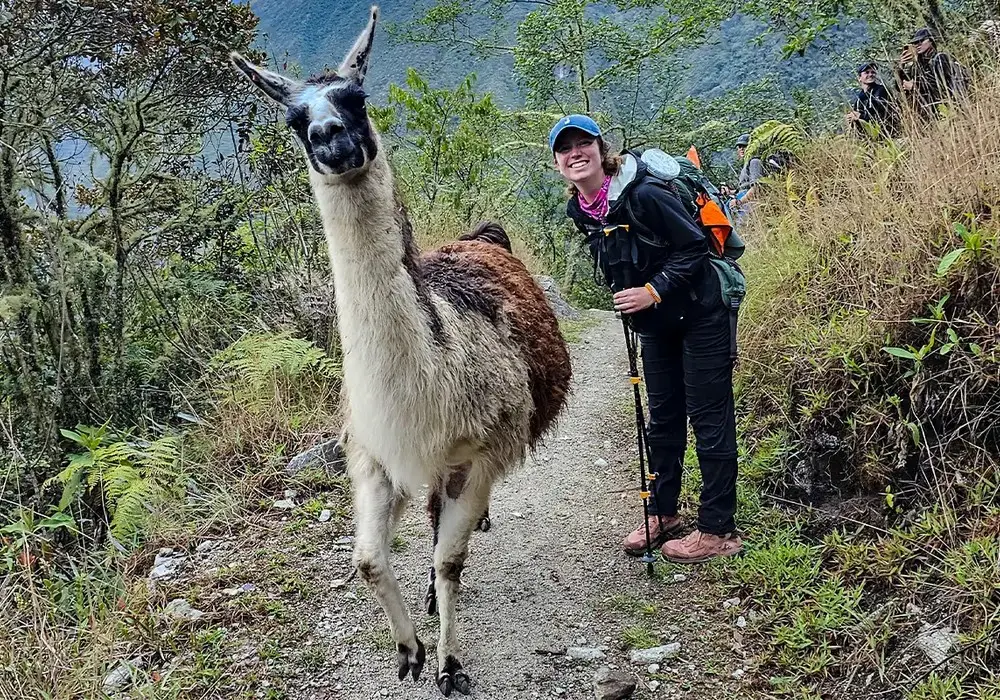
WHO IS THE SALKANTAY TREK SUITABLE FOR?
Ideal for:
- Travelers seeking challenge
- Hikers with moderate experience
- People comfortable walking 7–9 hours a day
- Trekker wanting an alternative to the Inca Trail
Not ideal for:
- Those with heart or respiratory issues
- People with knee problems (long descents)
- Hikers unwilling to train beforehand
COMPARING SALKANTAY WITH OTHER TREKS
Salkantay vs. Inca Trail
- Harder altitude-wise: Salkantay
- More cultural sites: Inca Trail
- More remote & rugged: Salkantay
- Shorter acclimatization window: Salkantay
Salkantay vs. Lares Trek
- Lares is easier: lower altitude and shorter distances
- Salkantay more scenic & dramatic
Salkantay vs. Ausangate
- Ausangate is far more difficult, requiring high-altitude trekking experience.
- Salkantay is challenging but more accessible to intermediate hikers.
TRAINING PLAN (4–6 WEEKS) FOR SALKANTAY TREK
Weeks 1–2: Foundation
- 30–45 minutes cardio 3–4 times per week
- Long weekend hike (6–10 km)
Weeks 3–4: Strength & Elevation Gain
- Stair training
- Squats, lunges, core
- 10–14 km hike with elevation
Weeks 5–6: Trek Simulation
- 2 back-to-back long hikes
- 12–18 km each
- Carrying your daypack
RECOMMENDED GEAR TO REDUCE DIFFICULTY
Good equipment can make the difference between suffering and enjoying the experience.
Must-Have Items:
- Waterproof hiking boots
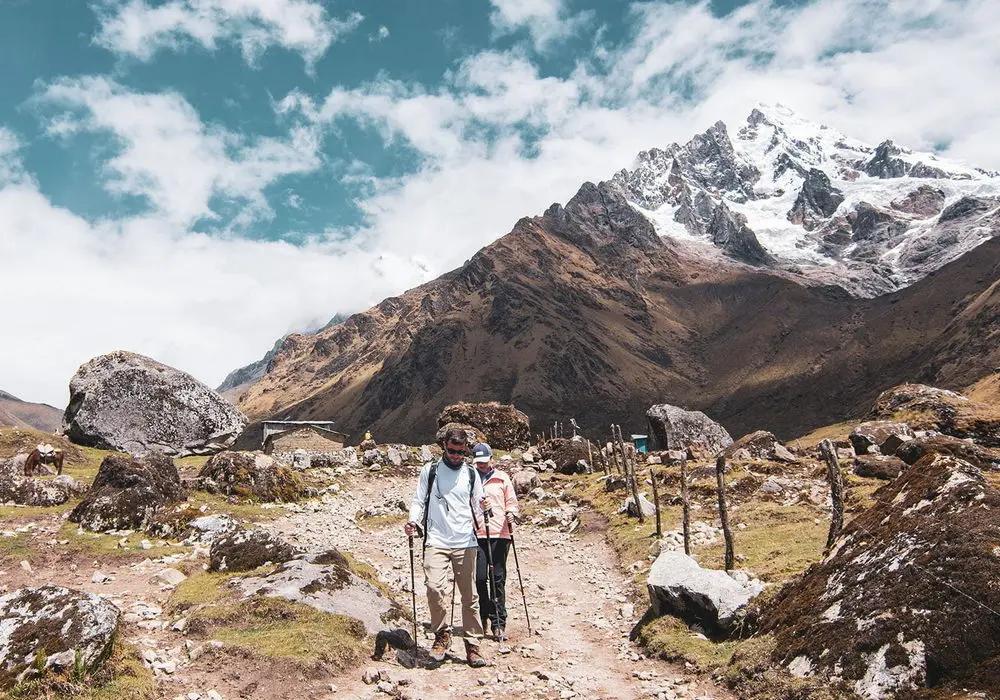
- Trekking poles (essential for descents)
- Thermal layers
- Lightweight down jacket
- Rain jacket & pants
- Hydration system (2L+)
- Electrolytes
- Headlamp
Trekking poles alone reduce knee impact by up to 25%, especially on long descents from the pass.
KEY SECTIONS OF THE ROUTE
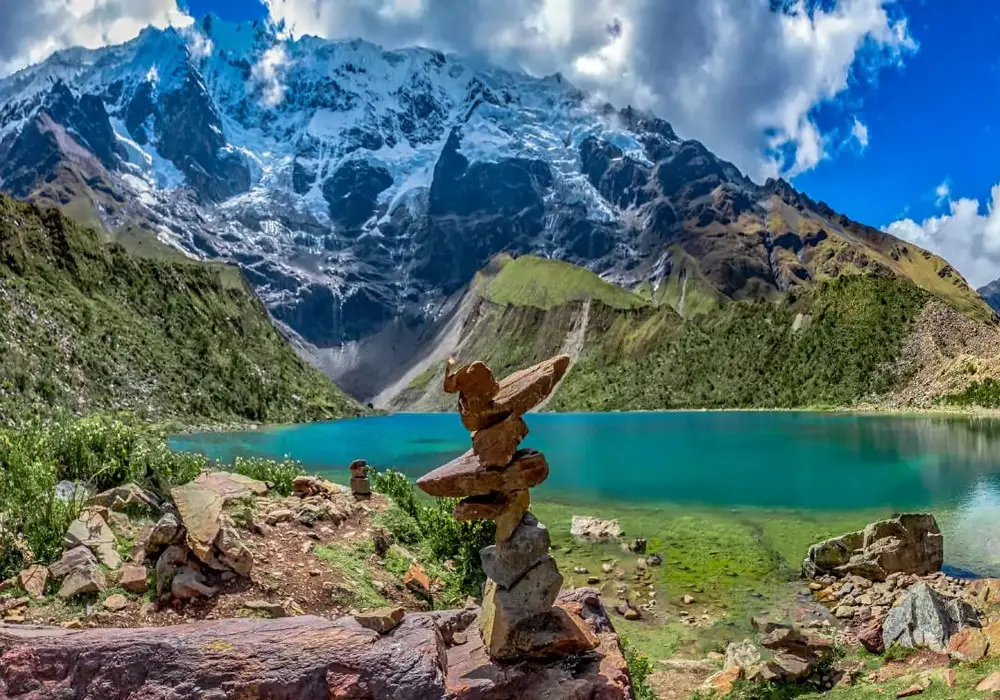
Laguna Humantay
A turquoise lake framed by glaciers. The climb is short but steep.
Salkantay Pass
The highest and most challenging part of the trek. Expect strong winds, cold temperatures, and breathtaking scenery.
Cloud Forest Descent
Lush vegetation, waterfalls, orchids, and warm temperatures await as you drop into the jungle.
SUGGESTED PACE & DAILY BREAKDOWN
Most itineraries follow a 4-day or 5-day route. The hardest day is always the ascent to Salkantay Pass.
Recommended rhythm:
- Slow but steady pace
- Breaks every 45–60 minutes
- Hydrate constantly
- Snack often
COMMON RISKS & HOW TO PREVENT THEM
Altitude Sickness
- Acclimatize 2–3 days
- Drink coca tea
- Rest well
Exhaustion
- Maintain steady pace
- Eat consistently
- Sleep early
Weather Exposure
- Bring layers
- Waterproof gear
Knee Pain
- Trekking poles
- Proper boots
EATING, HYDRATION & ENERGY MANAGEMENT
Your body burns significantly more calories at altitude. Guides typically provide balanced meals with carbohydrates, proteins, soups, and teas.
Key advice:
- Drink 2–3 liters per day
- Add electrolytes
- Snack every 60–90 minutes
ACCLIMATIZATION TIPS
To minimize risk:
- Arrive in Cusco early
- Avoid alcohol on days 1–2
- Take gentle acclimatization walks
FINAL ADVICE
The Salkantay Trek is challenging but absolutely achievable with preparation, patience, and respect for the altitude. The mental component is just as important as physical conditioning. Take it slow, enjoy the landscape, and listen to your body.
CONCLUSION
So, How Hard is the Salkantay Trek?
It’s a demanding but accessible adventure for hikers with moderate fitness, proper acclimatization, and solid preparation. The altitude, long days, and terrain make it challenging, but the rewards—glaciers, blue lagoons, Andean passes, jungle valleys, and the arrival at Machu Picchu—make every step worthwhile.
If you prepare correctly, pace yourself, and respect the mountain, you’ll not only complete the trek—you’ll enjoy one of the most unforgettable experiences in Peru.