

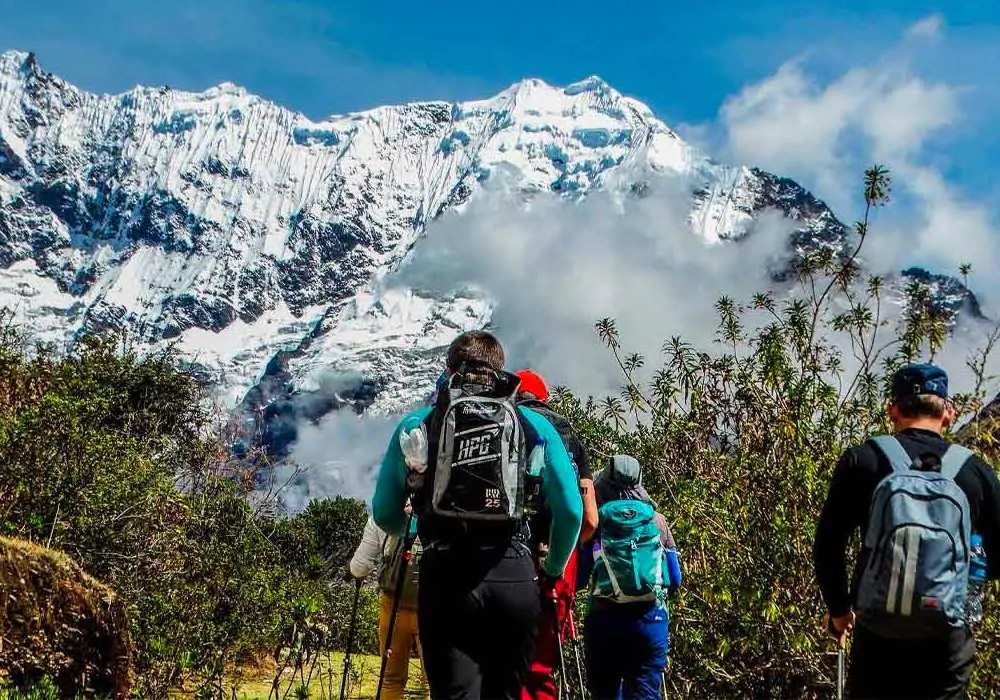
If you’re dreaming of a journey that weaves through snow-capped peaks, turquoise lakes, and lush cloud forests, all leading to the ancient wonder of Machu Picchu, then the Salkantay Trek might just be the adventure you’ve been waiting for. This iconic route in Peru’s Andes has captured the hearts of hikers from around the world, offering a blend of raw natural beauty and cultural depth that’s hard to match. As someone who’s spent years exploring the trails around Cusco, guiding groups and soaking in the stories of fellow travelers, I can tell you that the Salkantay Trek isn’t just a hike—it’s a transformative experience that tests your limits while rewarding you with views that feel almost otherworldly.
What draws people to this path? For starters, it’s less crowded than some alternatives, allowing for those quiet moments of reflection amid the mountains. But it’s also versatile, with options for different durations and intensities, making it accessible whether you’re a seasoned trekker or someone building up their endurance. In this guide, we’ll dive deep into everything you need to know for 2026, from the basics to the nitty-gritty details that can make or break your trip. Let’s get started.
What Is the Salkantay Trek?
At its core, the Salkantay Trek is a multi-day hiking route that takes you from the bustling streets of Cusco through diverse Andean landscapes to the gateway of Machu Picchu. Named after the majestic Salkantay Mountain—standing tall at over 20,000 feet— this trek spans roughly 46 miles, though distances can vary based on your chosen itinerary. It’s often hailed as one of the best alternatives to more regulated paths, combining high-altitude challenges with glimpses of Peru’s rich biodiversity and Inca heritage.
Unlike shorter day hikes, this is an immersion into the wild side of the Andes. You’ll cross glacial passes, descend into subtropical valleys, and camp under star-filled skies that seem brighter here than anywhere else. The trek culminates in Aguas Calientes, the town at the base of Machu Picchu, where you can catch a bus or hike up to the citadel itself. For many, it’s not just about reaching the end; it’s about the journey’s rhythm—the steady footfalls on ancient trails, the crisp mountain air, and the camaraderie with locals and other adventurers along the way.
I’ve met hikers who describe it as a “rite of passage,” and I couldn’t agree more. It’s demanding, yes, but the sense of accomplishment when you finally gaze upon those iconic ruins is unparalleled. If you’re planning for 2026, keep in mind that tour operators are already updating their offerings with sustainable practices, like smaller group sizes to minimize environmental impact.
History and Origin of the Route
The Salkantay Trek’s roots run deep into Peru’s past, far beyond its modern popularity as a tourist trail. The name “Salkantay” comes from Quechua, the language of the Incas, meaning “savage” or “wild mountain.” This peak was revered as an Apu, a sacred deity in Andean cosmology, believed to protect the land and its people. For the Incas, Salkantay wasn’t just a geographical feature; it was a spiritual guardian, influencing weather, fertility, and even daily life in the surrounding valleys.
Historically, parts of this route served as trade paths connecting highland communities with the Amazon lowlands. Inca messengers, or chasquis, might have traversed similar terrain, carrying goods like potatoes, quinoa, and coca leaves. While not as archaeologically dense as some other trails, the Salkantay path echoes the empire’s engineering prowess—think stone steps carved into hillsides and bridges over rushing rivers. The first recorded ascent of Salkantay Mountain itself happened in 1952 by a French-American team, but locals have likely scaled its slopes for centuries in rituals or for practical reasons.
In more recent times, the trek gained fame in the late 20th century as tourism boomed in Peru. When permits for other routes became scarce, adventurers turned to Salkantay for its untamed appeal. Today, it’s a symbol of resilient Andean culture, where Quechua-speaking communities still farm terraced fields and honor the mountain spirits with offerings. As you hike, you might encounter locals sharing stories of pachamama (Mother Earth), adding a layer of cultural richness that turns a simple walk into a historical dialogue.
Geographical Location
Nestled in the heart of the Peruvian Andes, the Salkantay Trek starts near Mollepata, a small village about 60 miles west of Cusco. From there, it winds northwest through the Cusco Region, skirting the edge of the Urubamba River Valley—also known as the Sacred Valley. The route crosses diverse ecosystems, from high puna grasslands to misty cloud forests, before dropping into the subtropical zone near Aguas Calientes.
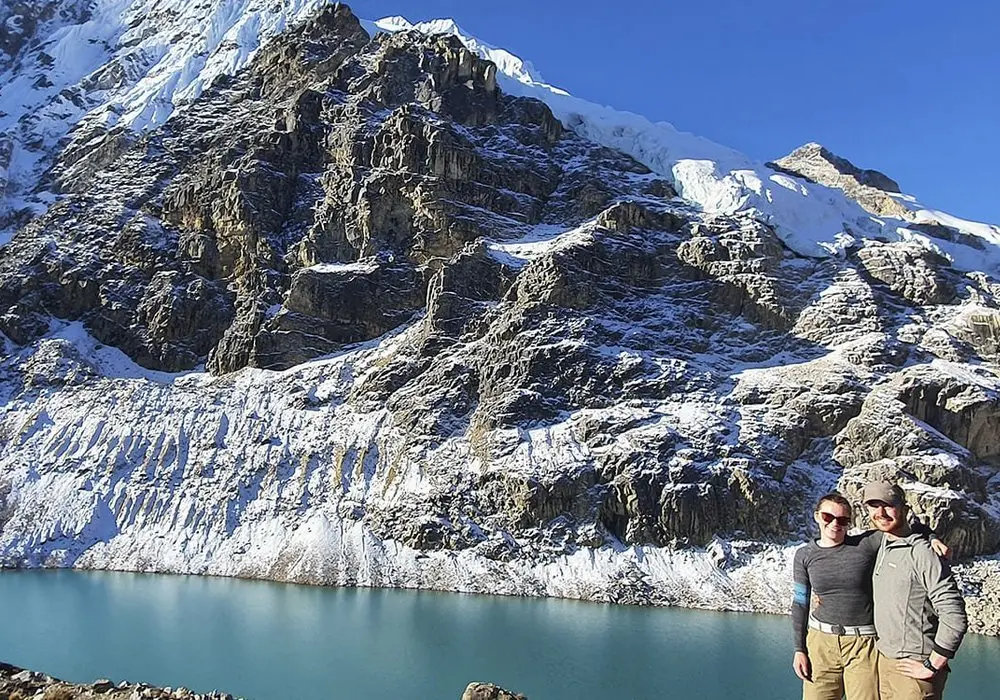
Geographically, it’s dominated by the Vilcabamba mountain range, with Salkantay Peak as the star at 20,574 feet. You’ll pass glacial lakes like Humantay, fed by melting snow, and traverse valleys carved by ancient rivers. The trek’s location puts it in a transition zone between the arid highlands and the humid Amazon basin, creating a mosaic of microclimates. Cusco, your starting point, sits at about 11,150 feet, so altitude is a constant companion from the get-go.
This positioning also means you’re in a biodiversity hotspot. The Andes here act as a barrier, trapping moisture and fostering unique habitats. If you’re into maps, grab a topographic one from IGN (Peru’s national geographic institute) to trace the contours—it’s fascinating to see how the trail hugs contours lines, avoiding sheer drops while maximizing scenic payoffs.
Distance, Altitudes, Climate, and Difficulty
Let’s talk nuts and bolts: the classic Salkantay Trek covers about 46 miles (74 km), with elevations ranging from 6,700 feet in Aguas Calientes to a dizzying 15,190 feet at Salkantay Pass. Daily distances vary—expect 7 to 12 miles per day, depending on your pace and itinerary. The highest point, the pass, is where many feel the burn, with steep ascents gaining up to 3,000 feet in a morning.
Climate-wise, it’s a tale of two seasons. Dry season (April to October) brings clear skies and cooler temps, with daytime highs around 68°F in lower areas and nights dipping to freezing at high camps. Wet season (November to March) means more rain, muddier trails, and warmer lows, but also fewer crowds and vibrant greenery. Altitude adds unpredictability—expect sudden weather shifts, like hail on the pass even in “dry” months.
Difficulty? It’s rated moderate to challenging. The combination of long days, steep inclines, and thin air demands good fitness. If you’re not used to hiking, the descent from the pass—knee-jarring switchbacks—can be tougher than the climb. But with proper prep, it’s doable for most healthy adults. I’ve seen folks in their 60s crush it, pacing themselves and listening to their bodies.
Why Choose the Salkantay Trek Over the Inca Trail?
Ah, the age-old debate: Salkantay Trek versus the Inca Trail. Both lead to Machu Picchu, but they offer distinct vibes. The Inca Trail is iconic, packed with ruins like Wiñay Wayna and a dramatic entrance through the Sun Gate. But it’s permit-only, limited to 500 people daily, and often books out months ahead—think up to a year for peak season.
Salkantay, on the other hand, is more flexible. No permits needed for the trail itself (though Machu Picchu entry is separate), so you can decide last-minute. It’s longer and higher, with more varied scenery: glaciers, lakes, and jungles versus the Inca Trail’s consistent highland feel. Cost-wise, Salkantay is often cheaper—$500-800 versus $700-1,200 for Inca— and less crowded, giving you that sense of solitude. If you crave adventure over history, Salkantay wins; for archaeology buffs, Inca edges it out.
Personally, I love Salkantay for its rawness. You feel like an explorer, not a tourist in line. And if you can’t choose? Some tours combine them, like a 7-day hybrid for the best of both worlds.
Detailed Itineraries: From 2-Day to 5-Day Options
Itineraries for the Salkantay Trek come in various lengths, tailored to time and fitness. The classic 5-day version is the sweet spot, but shorter ones pack a punch too.
Start with the 2-day option: Focused on highlights like Humantay Lake and Salkantay Pass.
- Day 1: Bus from Cusco to Soraypampa (3,850m), hike to Humantay Lake (turquoise gem at 4,200m), then push to the pass (4,630m) for views before camping.
- Day 2: Descend through cloud forest to Challapata, then transport to Aguas Calientes for Machu Picchu. It’s intense—about 12 miles total—but ideal for time-crunched travelers.
The 4-day trek amps it up:
- Day 1: mirrors the 2-day, ending at Soraypampa camp.
- Day 2: Summit the pass, descend to Chaullay (9,000ft drop!).
- Day 3: Through coffee plantations to Santa Teresa, optional hot springs soak.
- Day 4: Zip-line or hike to Aguas Calientes, then Machu Picchu. Total distance: around 37 miles.
For the full experience, go 5-days:
- Day 1: Cusco to Mollepata, hike to Soraypampa and Humantay.
- Day 2: Pass crossing to Huayracmachay.
- Day 3: Into the jungle to Collpapampa.
- Day 4: Llactapata ruins overlook, then Hydroelectric to Aguas Calientes.
- Day 5: Machu Picchu exploration. This 46-mile route allows for acclimatization and side trips, like visiting coffee farms.
Longer? A 6-7 day version adds Inca Trail segments or extra rest days. Customize with operators for private groups or luxury glamping.
Best Time to Hike the Salkantay Trek
Timing is everything on the Salkantay Trek. The dry season—April to October—is prime, with stable weather and fewer slips on muddy paths. June and July peak with crowds, but the crisp air (days 50-70°F, nights below freezing) makes for epic photos. Shoulder months like April-May or September-October offer milder temps and solitude—think blooming orchids in spring, golden hues in fall.
Wet season (November-March) isn’t off-limits; rains bring lush landscapes, but expect afternoon showers and potential trail closures. December can be magical with fewer people, though colder at altitude. For 2026, aim for May or September to dodge peak tourist waves while enjoying reliable weather. Always check forecasts—Andean weather flips fast.
Physical Preparation Needed
Don’t underestimate the Salkantay Trek’s demands; solid prep turns challenge into enjoyment. Start 2-3 months out with cardio: aim for 3-4 sessions weekly of running, cycling, or stair-climbing to build endurance. Incorporate strength training—squats, lunges, core work—for those steep sections.
Hike with a pack: Simulate trail days by walking 5-10 miles on uneven terrain, gradually adding weight (10-20 lbs). Altitude training? If possible, exercise at elevation or use a gym simulator. Include rest days to avoid burnout.
Nutrition matters: Fuel with carbs and proteins; stay hydrated. I’ve found interval training mimics the trek’s ups and downs perfectly. If you’re new, consult a doctor—especially if over 40 or with health issues.
What to Bring: A Detailed Packing List
Packing for the Salkantay Trek is about balance—essentials without overload. Most tours provide duffels carried by mules, so your daypack (20-30L) holds immediates.
Clothing: Layer up! Moisture-wicking base layers, fleece mid-layer, waterproof jacket/pants. 2-3 hiking pants, 3-4 shirts, thermal underwear for nights. Sturdy boots, extra socks, hat, gloves, sunglasses.
Gear: Trekking poles (knee savers), headlamp, reusable water bottle (2L), sleeping bag (rated to 0°F if camping). Snacks like nuts, energy bars.
Health/Toiletries: Sunscreen (high SPF), insect repellent, first-aid kit with blister pads, altitude meds (consult doc). Toilet paper, biodegradable soap.
Extras: Camera, power bank, passport copy. For luxury, earplugs and a book. Pack light—aim for 15 lbs in your duffel.
Safety Recommendations
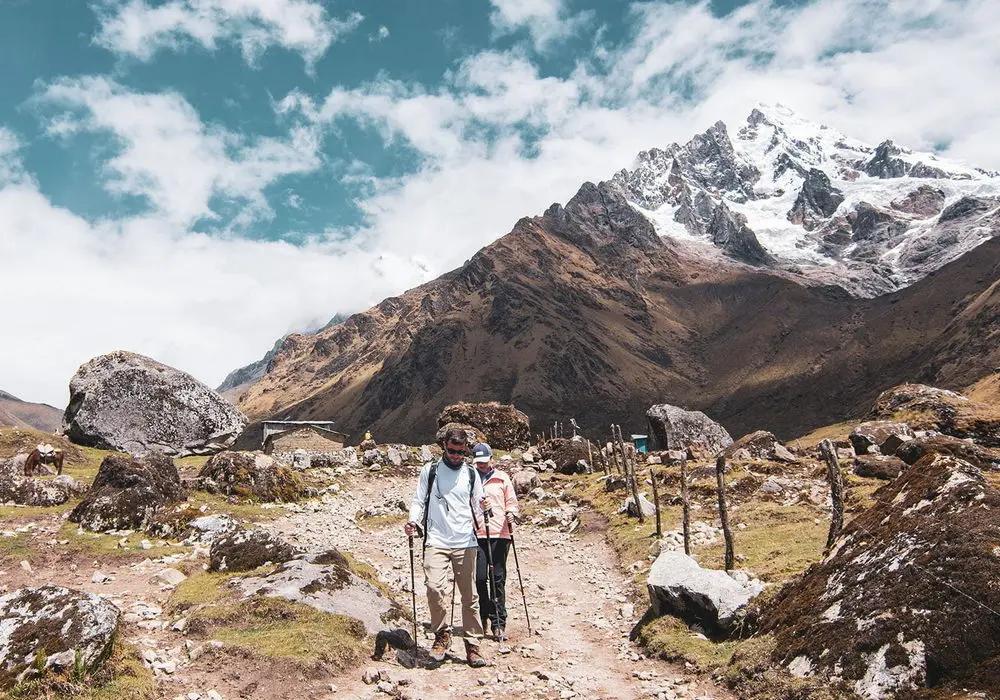
Safety on the Salkantay Trek starts with awareness. Hire a reputable guide; they know evacuation routes and carry oxygen. Stay hydrated—3-4L daily—to combat altitude woes. Use poles for stability on descents; watch for loose rocks.
Weather prep: Pack rain gear, check updates. Solo? Stick to marked paths; inform someone of your plans. Health: Get travel insurance covering high-altitude evac. Avoid alcohol pre-trek.
Locals are friendly, but secure valuables. In emergencies, guides have radios. Listen to your body—rest if needed.
Flora and Fauna Along the Route
The Salkantay Trek is a living museum of Andean life. High up, puna grasslands host hardy ichu grass and cushion plants. Descending, cloud forests burst with orchids (over 300 species!), bromeliads, and ferns clinging to trees.
Fauna? Spot Andean condors soaring overhead, their 10-foot wingspans a sight to behold. Hummingbirds zip between flowers; vicuñas graze slopes. In jungles, watch for spectacled bears (rare), colorful macaws, and butterflies in hordes. Respect wildlife—keep distance, no feeding.
This biodiversity underscores Peru’s conservation efforts; tread lightly to preserve it.
Main Attractions: Laguna Humantay, Salkantay Pass, and More
Key stops make the trek unforgettable. Laguna Humantay: A turquoise lake at 13,780 feet, framed by glaciers—hike up for reflections that’ll stun you.
Salkantay Pass: The 15,190-foot apex, with panoramic views of the peak. It’s tough, but the euphoria at the top? Priceless.
Other gems: Llactapata ruins for Inca history, Santa Teresa hot springs for post-hike soaks, coffee plantations for tastings. Each adds flavor to the journey.
Accommodation, Food, and Logistics
Accommodations range from basic camps to glamping domes with beds and hot showers. Expect shared tents or hostels in Aguas Calientes.
Food: Tours serve hearty Peruvian fare—quinoa soups, grilled trout, fresh veggies. Vegetarian options abound; snacks provided. Logistics: Book through operators for transport, permits. From Cusco, buses to trailhead; mules carry gear.
For self-guided, arrange taxis, but guided is safer for first-timers.
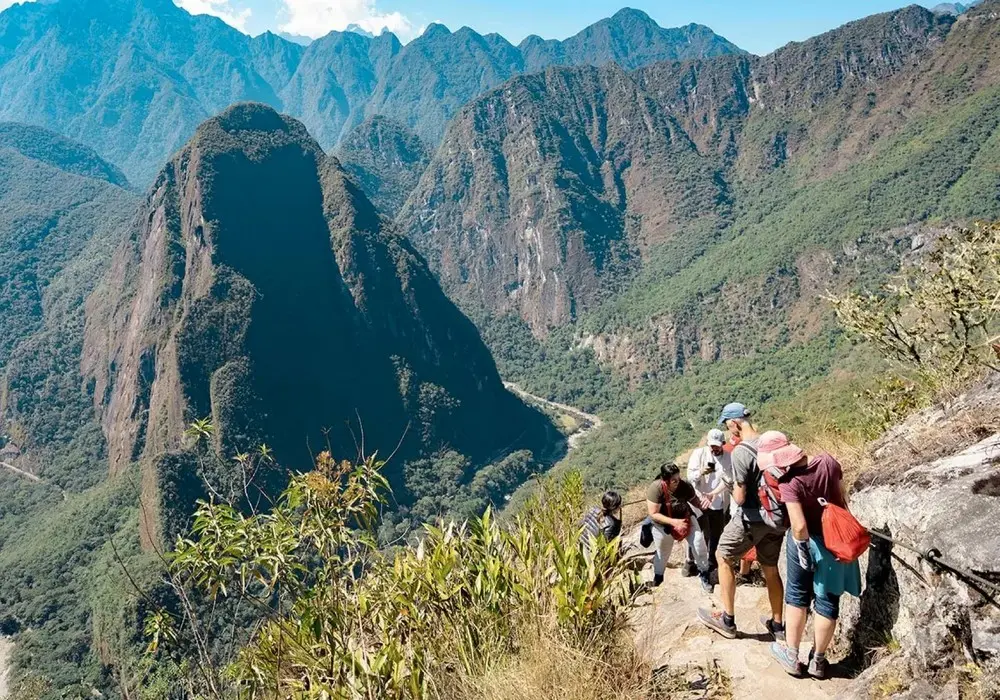
Tips for Acclimatization and Altitude Sickness
Altitude hits hard—Cusco’s 11,000 feet is just the start. Spend 2-3 days acclimating: Light walks, coca tea (natural remedy). Hydrate, eat light carbs; avoid booze.
Symptoms? Headache, nausea—rest, descend if severe. Meds like acetazolamide help; carry oxygen if prone.
Pace slow, breathe deep. It gets easier.
Average Costs and Budgeting for 2026
Budget $500-1,000 per person for a guided 5-day trek, including meals, gear, Machu Picchu entry (~$70). Self-guided: $200-400, but add risks.
Extras: Flights to Cusco ($200-500 roundtrip), Cusco stays ($50/night), tips ($20-50). Total trip: $1,500-3,000. Shop deals for 2026.
Final Tips for an Unforgettable Trek
Go slow on day one. Pack duct tape for blisters. Learn basic Quechua phrases. Hire local guides—supports communities. Leave no trace.