

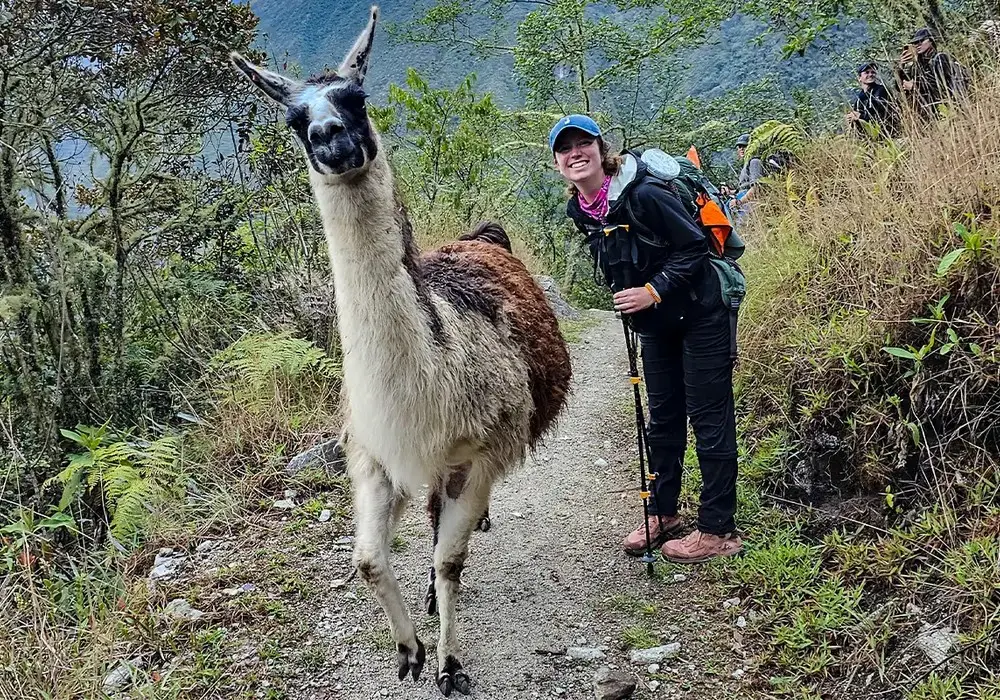
When travelers talk about the magic of Peru, few places capture the imagination like the Salkantay Trek—a high Andean route that winds from the icy slopes of Apu Salkantay down to lush cloud forests before reaching the gateway to Machu Picchu. But as this world-class trail becomes more popular every year, the need for Sustainable Salkantay Trekking becomes not just important, but essential. The trail’s snowcapped peaks, fragile ecosystems, native communities, and ancient Inca heritage all depend on responsible travelers who know how to minimize their footprint while maximizing their appreciation.
This guide is written to help you do exactly that. Whether you’re hiking independently or with a local operator, understanding the ecological, cultural, and economic dynamics of the route allows you to protect the Andean landscape you’ve come to enjoy. In this in-depth resource, you’ll learn practical environmental tips, cultural guidelines, eco-friendly gear recommendations, waste-management strategies, community-support practices, and more—all designed to help you travel through the Sacred Valley and Andes with respect and intention.
Why Sustainable Salkantay Trekking Matters
The ecosystems surrounding the Salkantay region are more fragile than many hikers realize. You cross glacial valleys shaped by millennia, walk through rare high-altitude flora, and descend into rapidly changing cloud forest zones. Each zone is sensitive to human activity. Even small behaviors—where you step, what you carry, what you dispose, what you buy—accumulate over time when thousands of hikers follow the same route.
❄️ Glacial Retreat
Apu Salkantay, one of the most sacred mountains of the Andes, has lost significant glacial mass in recent decades. While global climate change is the main cause, increased tourism without sustainable practices also contributes to local warming and ecosystem disruption.
🌱 Fragile Alpine and Cloud Forest Ecosystems
High-altitude vegetation grows extremely slowly. A simple shortcut off the designated path can destroy plants that take years to regenerate. Lower down, cloud forest fauna—such as hummingbirds, spectacled bears, and rare orchids—are highly sensitive to waste, noise, and habitat disturbance.
🏔️ Indigenous Communities & Cultural Preservation
The communities of Soraypampa, Chaullay, Collpapampa, and Lucmabamba hold ancestral connections to the land. Sustainable trekking supports their autonomy, protects traditions, and ensures income is distributed fairly.
🛤️ Long-Term Trail Preservation
Overuse without sustainability leads to erosion, waste accumulation, unsafe campsites, and overburdened local services. Responsible hikers help maintain the trail for future generations.
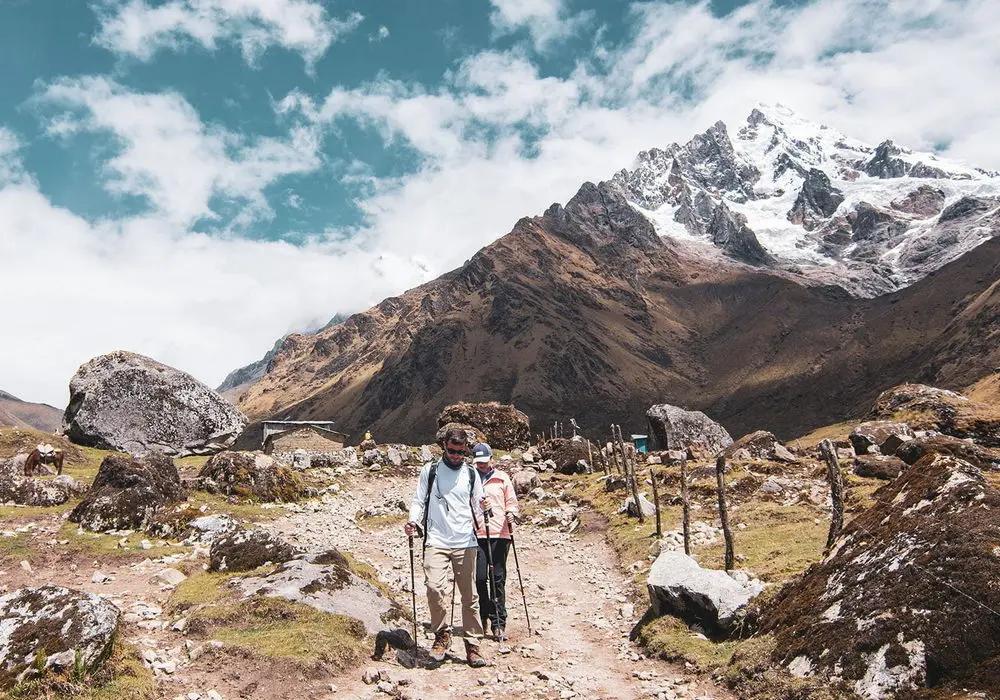
Choosing an Eco-Friendly Trekking Operator
One of the biggest impacts you can have happens before you even begin walking. Your choice of trekking company determines how resources are used, how waste is handled, how communities are compensated, and how responsibly the trek is conducted.
✔️ What to Look For
- Local ownership: Ensures profits stay in Andean communities rather than international corporations.
- Fair employment: Guides, cooks, and muleteers should be fairly compensated, insured, and equipped.
- Leave-No-Trace policies: Ask how they manage waste, greywater, and campsite practices.
- Reusable gear systems: Operators should avoid single-use plastics and provide refillable water stations.
- Environmental certifications: Look for companies aligned with Rainforest Alliance, B Corp, or regional sustainable-tourism programs.
- Small group sizes: Large groups increase noise, trash, and erosion. Aim for groups of 10 hikers or fewer.
✔️ Why It Matters
Eco-focused companies create a ripple effect—minimizing environmental stress while improving the livelihoods of local families. When you choose responsibly, you directly support conservation efforts along the entire Salkantay route.
Eco-Friendly Gear: What to Bring for Responsible Trekking
Packing correctly plays an essential role in Sustainable Salkantay Trekking. The right items reduce waste, avoid pollution, and lessen the impact on natural habitats.
🥤 Reusable Essentials
Bringing reusable items drastically reduces litter, especially at high camps where trash removal is difficult.
- Reusable water bottle or hydration bladder
- Water purification system (Steripen, LifeStraw, purification tablets)
- Reusable food container & utensils
- Cloth snack bags instead of plastic
- Biodegradable soap & toothpaste
🧥 Clothing & Layers That Support Sustainability
Avoid fast-fashion trekking gear that quickly deteriorates. High-quality items last years and reduce waste.
- Moisture-wicking base layers
- Insulating mid-layer (fleece or alpaca wool)
- Waterproof jacket & pants
- Sun hat and warm beanie
- Ethical down jacket or synthetic insulating jacket
- Durable trekking pants—not cheap, disposable ones
🚯 Eco-Conscious Toiletries
The Salkantay route has no chemical waste-processing system, so choose items that do no harm.
- Shampoo & conditioner bars
- Biodegradable wet wipes (pack out after use)
- Natural deodorant
- Reef-safe sunscreen (chemical sunscreens harm river ecosystems)
🥾 Footwear & Equipment
Use well-made, long-lasting gear to avoid replacing items frequently.
- Trekking boots with Vibram soles
- Hiking poles (ideally with rubber tips to protect the trail)
- Long-lasting headlamp
- Eco-certified tent & sleeping bag (if trekking independently)
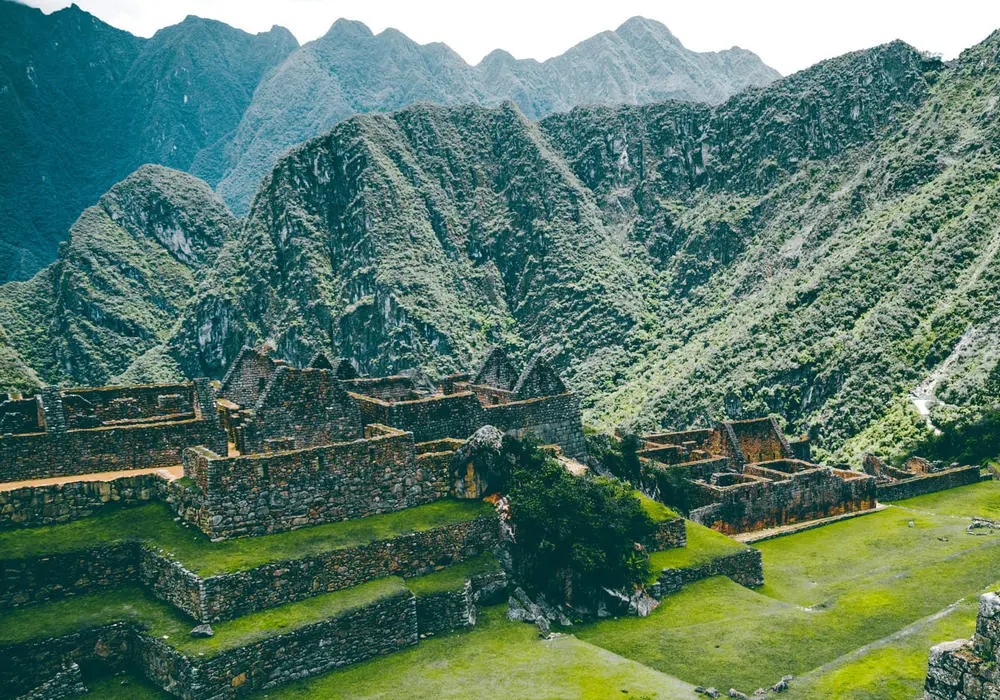
Responsible Water Use Along the Trail
Water scarcity affects several villages along the Salkantay route, especially during the dry season. Supporting sustainable water use protects both communities and ecosystems.
💧 Never contaminate water sources
Avoid washing dishes, brushing teeth, or using soap directly in rivers or streams.
💧 Use water efficiently
At camps, water may be limited. Use just enough for hygiene needs and avoid unnecessary rinsing.
💧 Purify rather than buy
Buying plastic bottles increases pollution. Purifying water from streams is safe when done correctly—and reduces plastic waste entirely.
Waste Management: Minimizing Your Footprint
Waste is one of the biggest challenges along the Salkantay Trek. Everything you pack must be carried out.
🚮 The Golden Rule
If you carried it in, carry it out. Always.
Types of Waste to Manage Responsibly
1. Organic Waste
Food scraps attract wildlife, alter animal behavior, and disrupt local species.
- Pack organic waste in sealed bags until you reach a proper disposal point.
2. Plastic Waste
The biggest offender.
- Avoid packaged snacks.
- Bring snacks in reusable bags.
- Never leave wrappers, even small ones, on the trail.
3. Toiletries
Buried or burned wet wipes and toilet paper still contaminate the environment.
Use a waste bag system—similar to mountaineering practices.
4. Campsite Waste
Set a personal “micro clean zone”: before leaving camp, inspect the area thoroughly for any dropped waste.
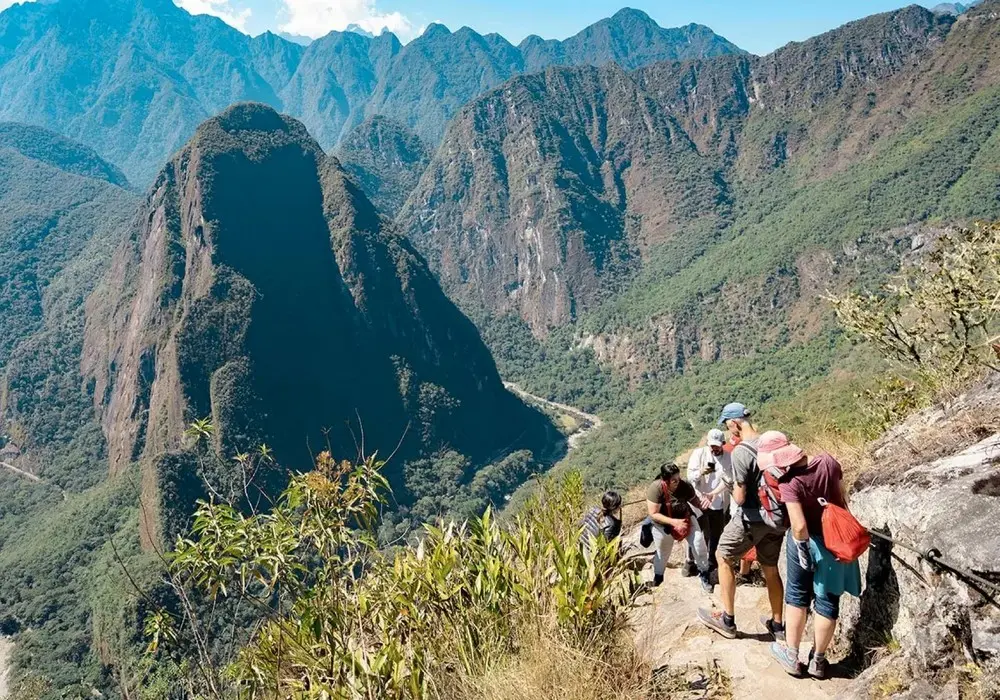
Staying on Designated Trails
The Salkantay path has been shaped for centuries, often following ancient Inca trails. Leaving the marked path damages local flora and accelerates erosion.
Why It Matters
- Alpine vegetation regenerates slowly.
- Wildlife is easily disturbed.
- Erosion can destabilize entire sections of the trail.
Trail Etiquette
- Never cut switchbacks.
- Keep noise levels low.
- Yield to mule trains by stepping to the uphill side of the trail.
- Follow all instructions from guides and local park authorities.
Community Respect: Supporting Local Families & Traditions
Sustainable trekking is also cultural. The people living along the Salkantay route maintain a connection with Apu Salkantay rooted in Andean cosmology. Respecting their customs preserves their identity and acknowledges their guardianship of the land.
Ways to Support Communities Respectfully
✔️ Buy Local
Purchase snacks, coffee, fruits, and handmade crafts from local families rather than bringing everything from Cusco.
✔️ Ask Before Photographing
Photos of people, homes, and sacred objects require permission.
✔️ Learn Basic Quechua Phrases
Even small gestures mean a lot:
- Añay = Thank you
- Allin punchaw = Good morning
- Sulpayki = Please
✔️ Respect Sacred Sites
Certain stones, lakes, and viewpoints hold spiritual significance. Treat them with reverence.
✔️ Avoid Bargaining Aggressively
Fair prices support rural families with limited income opportunities.
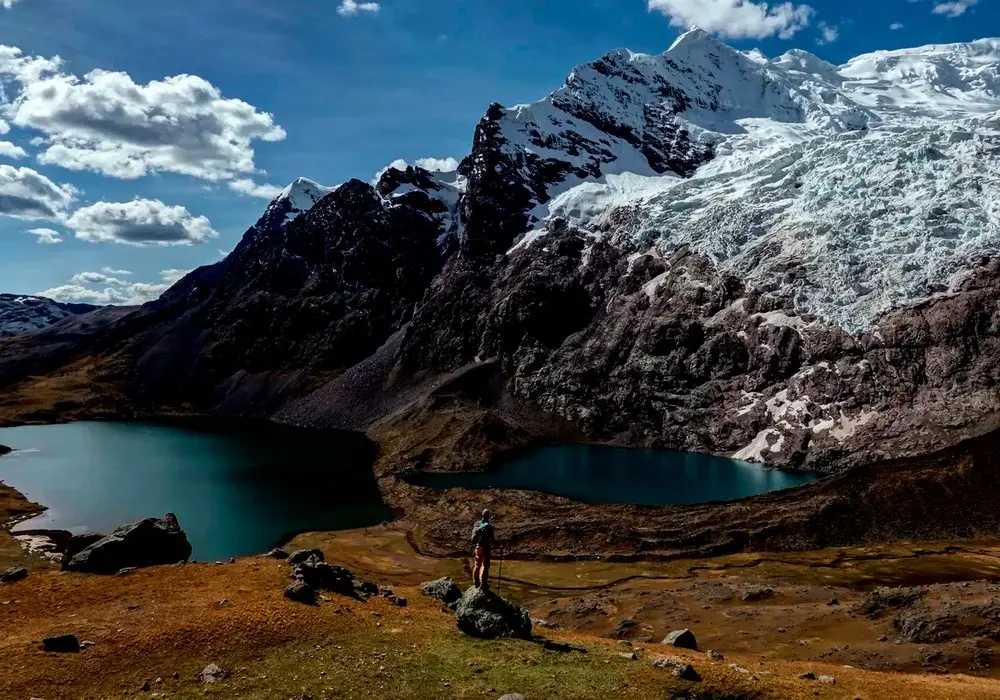
Eco-Friendly Camping Practices
If you’re trekking the Salkantay route independently, eco-friendly camp behavior is essential.
🔥 Fire & Cooking
- Never build fires—fuel scarcity makes campfires environmentally damaging.
- Use a gas stove with windscreen for cooking.
🏕️ Campsite Etiquette
- Pitch tents only in designated areas.
- Avoid compacting grass unnecessarily.
- Store food securely to avoid attracting animals.
- Keep noise minimal after dark.
🪣 Greywater Disposal
Strain food waste from wash water and bury it 20+ cm deep, far from waterways.
Food & Local Agriculture: Eating Responsibly on the Trail
Salkantay passes through agricultural zones where coffee, fruits, and vegetables are grown sustainably by local families.
Why It Matters
Supporting local agriculture helps Andean communities preserve traditional farming techniques and reduces the carbon footprint of imported foods.
What to Look For
- Coffee from Lucmabamba
- Organic avocados and bananas from cloud forest farms
- Locally prepared meals rather than imported packaged foods
Wildlife Protection: Interacting with Animals Respectfully
The Salkantay region is home to unique species that depend on humans keeping a respectful distance.
Animals You May Encounter
- Spectacled bears
- Hummingbirds
- Foxes
- Andean condors
- Small reptiles and amphibians
Guidelines
- Never feed wildlife.
- Keep at least 20 meters distance.
- Store food inside sealed containers.
- Use trekking poles with rubber tips to minimize trail impact.
Seasonal Sustainability: Best Eco-Periods for Trekking
While many hikers choose dry season (May–September), sustainable timing means selecting months with lower environmental stress.
Most Sustainable Months
- April – Lush landscapes after the rains
- October – Lower crowds, milder conditions
Avoiding peak crowds reduces erosion, waste, and strain on local resources.
The Economic Side of Sustainable Trekking
Sustainability includes fair economic exchange. Your spending helps build schools, fund healthcare, and preserve cultural practices.
Where Your Money Makes the Most Positive Impact
- Locally owned lodges and camps
- Family-run restaurants
- Farmer cooperatives
- Certified eco-tour operators
What to Avoid
- Foreign-owned companies with offshore profits
- Tour operators paying unfair wages
- Cheap “budget” packages that exploit local workers
A Sample One-Day Eco-Friendly Itinerary
Here’s an example of how a single day on the Salkantay route might look for someone practicing sustainable trekking.
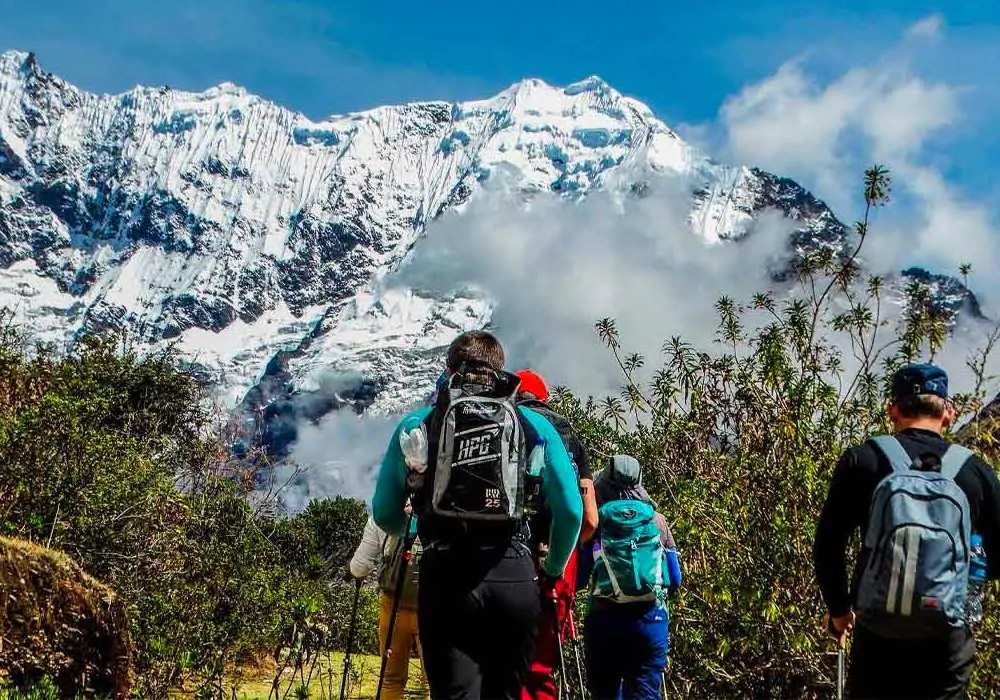
Day Example: Soraypampa → Salkantay Pass → Huayracmachay
6:00 AM
Wake quietly, pack reusable bottle with purified water, ensure campsite is spotless.
6:30 AM
Breakfast prepared by eco-certified operator using local ingredients.
7:00 AM
Begin ascent, staying strictly on marked trails. Stop for photos without stepping onto delicate vegetation.
9:30 AM
Approach the base of Apu Salkantay. Make a small offering of gratitude (coca leaves) with respect, without leaving trash or artificial objects.
12:00 PM
Lunch using reusable containers; all waste is packed out.
2:00 PM
Descend toward Huayracmachay at a sustainable pace, minimizing erosion and avoiding shortcuts.
5:00 PM
Arrive at camp, assist team in maintaining a clean environment, refill water responsibly.
7:00 PM
Dinner and cultural exchange with local staff.
8:30 PM
Quiet time; star-gazing without artificial lights.
Final Section: Why Your Choices Matter
The landscapes you cross on the Salkantay Trek—towering glaciers, sweeping valleys, and mist-filled forests—are part of a living heritage. Choosing Sustainable Salkantay Trekking is not about perfection; it’s about awareness and conscious action. Every bottle you refuse to buy, every campsite you leave clean, every local family you support, and every trail rule you follow contributes to preserving the Sacred Valley and Andes for the next traveler who dreams of this journey.
Sustainability is an act of gratitude. It honors the communities who care for the land, respects the spiritual legacy of Apu Salkantay, and protects one of the most iconic trekking routes in the world.
The future of the Salkantay Trail depends on the hikers who walk it today—and your choices ensure it remains wild, beautiful, and culturally alive for generations.