

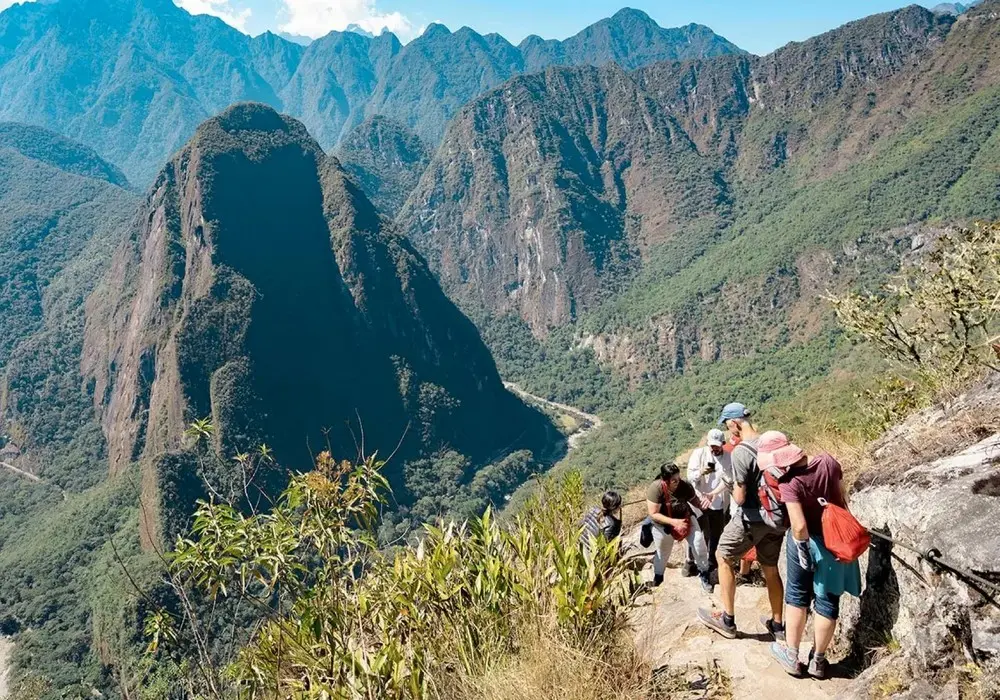
Choosing between the Salkantay vs Inca Trail is one of the biggest decisions travelers face when planning a trek to Machu Picchu. Both routes offer incredible Andean landscapes, deep cultural meaning, and a sense of accomplishment that goes far beyond simply reaching the famous Inca citadel. Yet the two treks are very different in character. One is remote, wild, and rugged; the other is engineered, historic, and spiritually charged. Understanding those differences is the key to choosing the right route for your personality, your fitness level, and your expectations.
Whether you’re drawn to the ancient stone path of the Incas or the dramatic glaciers of Salkantay Mountain, this guide will help you understand Salkantay vs Inca Trail in depth. You’ll find neutral, expert insights on scenery, ruins, altitude, difficulty, weather, costs, permits, group sizes, and booking timelines, all written with an experienced, human voice grounded in years of Peruvian trekking knowledge.
Which Trek Should You Choose?
For many travelers, trekking to Machu Picchu is more than a trip—it’s a once-in-a-lifetime milestone. Some train for months. Others take on the journey as a personal challenge or spiritual quest. And others simply want to experience the Andes in the most authentic way possible. No matter the motivation, the choice between the Inca Trail or Salkantay trek shapes your entire experience. One route follows the original path used by Inca royalty, passing archaeological sites accessible only on foot. The other cuts through high mountain passes beneath sacred glacial peaks that have shaped Andean culture for centuries.
Both treks lead to the same iconic destination, yet the journey is completely different. Understanding those differences helps you choose the trek that fits your travel style—and ensures you start your adventure with confidence and clarity.
What Makes the Inca Trail Unique
The Classic Inca Trail is one of the most famous trekking routes in the world, not only because it ends at Machu Picchu but because it preserves an authentic piece of Inca engineering. The path consists of original stone steps and staircases laid more than 500 years ago. The fact that you walk directly on history adds a unique emotional dimension.
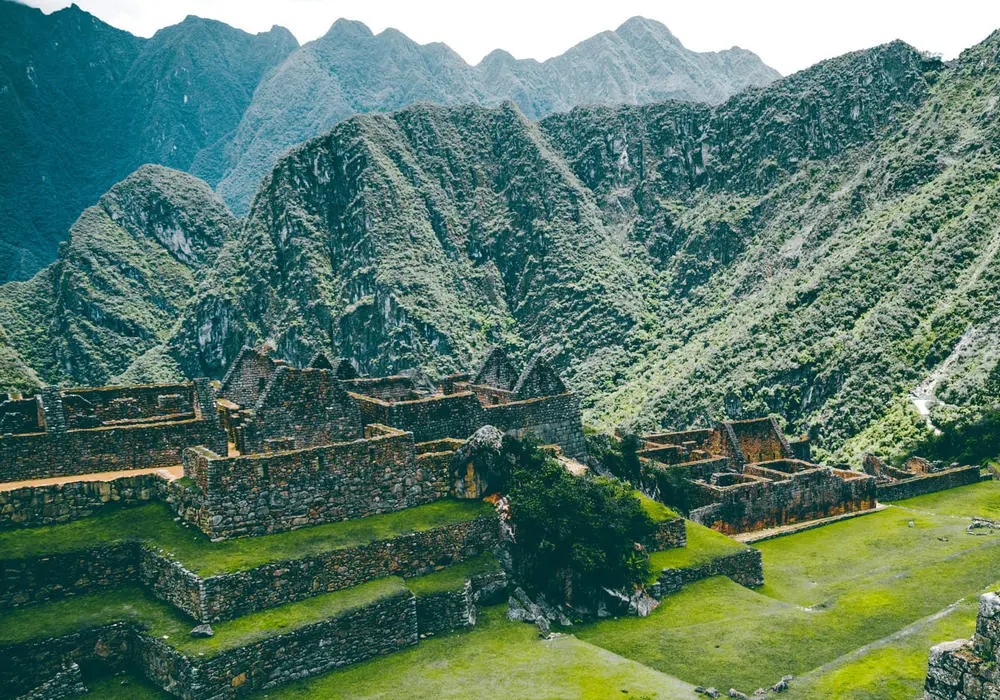
Along the way, the route passes a series of archaeological sites hidden deep in the mountains. Places like Runkurakay, Sayacmarca, Phuyupatamarca, and Wiñay Wayna can only be accessed by hikers on this trail. If exploring ruins is a top priority for you, the Inca Trail holds an enormous advantage.
Another defining factor is the sense of anticipation at the end of the trek. Reaching Machu Picchu through the Sun Gate at sunrise—after days of effort and solitude—feels like a reward crafted by nature and history. Few travel moments compare to that first glimpse of the ruins as morning light dissolves the clouds.
However, because it is a protected archaeological route, the Inca Trail is highly regulated. Permits are limited to 500 people per day (including guides and porters), and spots sell out months in advance. This controlled access makes the experience quieter and more organized, but it also means you must plan ahead and follow strict rules.
What Makes the Salkantay Trek Unique
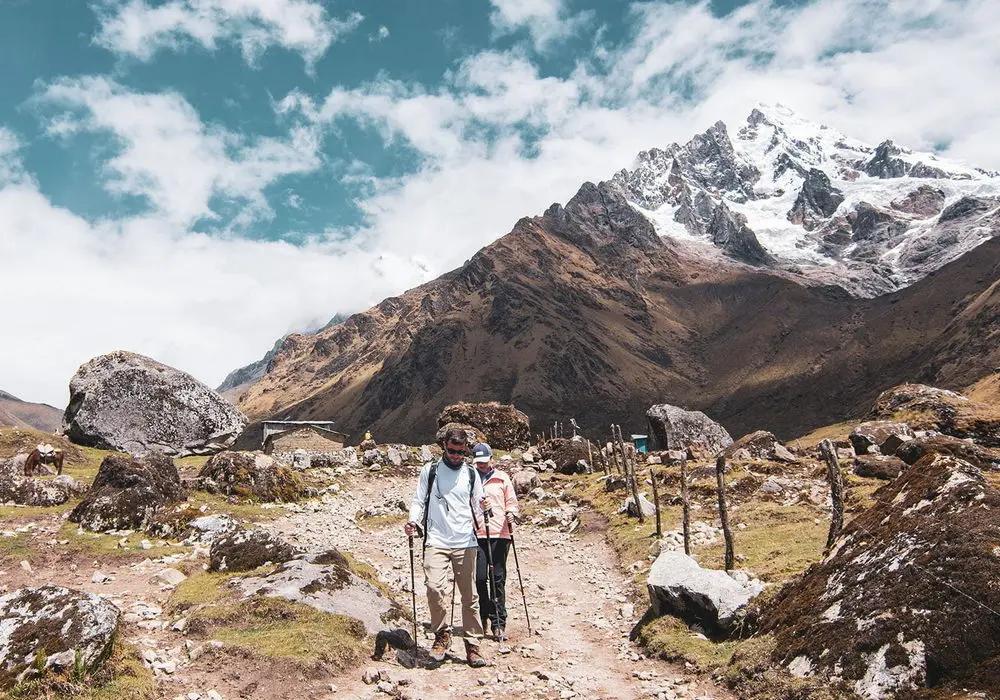
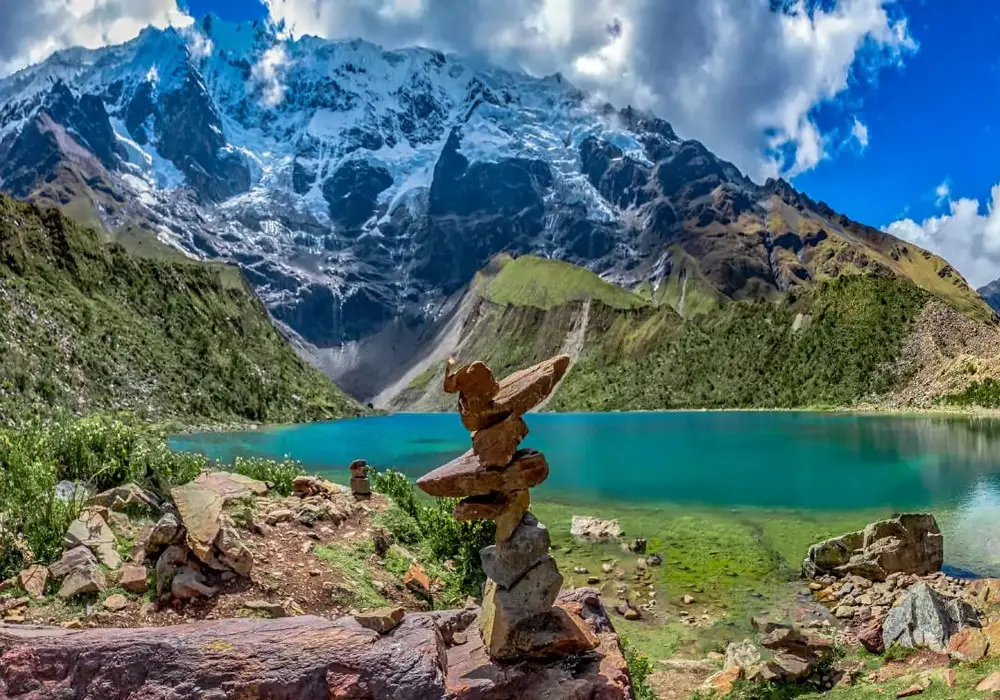
The Salkantay Trek is the wilder, more rugged alternative. Instead of following ancient stone paths, the trail winds through high-altitude landscapes dominated by mountains, glaciers, and open valleys. The route sits beneath the towering Apu Salkantay, a sacred mountain revered by Andean communities. Its sharp ridges and icy slopes create one of the most dramatic backdrops in Peru.
Trekkers on Salkantay often talk about the sense of freedom the route offers. There are no daily permit restrictions. Campsites are spaced out across different ecosystems and landscapes. The environment changes dramatically—from frosty alpine passes to lush cloud forest and subtropical jungle.
While Salkantay doesn’t feature Inca ruins like the Classic Trail, it compensates with raw nature. For many travelers, the physical challenge of crossing the Salkantay Pass at 4,630 m (15,190 ft) becomes the highlight of their trip. The glacial lakes, sweeping valleys, and remote atmosphere create a sense of adventure that feels less controlled and more personal.
If you want dramatic scenery, challenging altitude, and fewer rules, Salkantay might be the trek for you.
Salkantay vs Inca Trail: A Neutral, Detailed Comparison
Below is a complete, unbiased comparison to help you understand the strengths of each route and choose the best fit for your personality and expectations.
1. Scenery: Glaciers vs Cloud Forest and Ruins
The scenery is one of the clearest differences in the Salkantay vs Inca Trail debate.
Inca Trail Scenery
The Inca Trail takes you through cloud forests, subtropical valleys, high ridges, and dense jungle. Scenery changes gradually, and the biggest visual highlight is the archaeological landscape. The mountains are beautiful, but not as towering as those on Salkantay.
What makes the Inca Trail visually striking is the combination of Andean nature with iconic Inca architecture along the route. Ruins appear around corners without warning, creating a sense of discovery.
Salkantay Scenery
Salkantay’s scenery is more dramatic from the beginning. Day one already brings you close to the Humantay Lake with turquoise glacier-fed waters. By day two, you’re climbing toward the Salkantay Pass beneath an imposing glacial peak. The views feel bold, untouched, and vast.
As you descend, the landscape almost transforms into a different world. One moment you’re walking across rocky highlands; the next you’re surrounded by waterfalls, orchids, and tropical plants.
Who wins?
- Choose Inca Trail if you love ruins, jungle, and history.
- Choose Salkantay if you want mountain drama, big scenery, and changing ecosystems.
Both are beautiful in entirely different ways.
2. Archaeology and Ruins
If exploring archaeological sites is one of your priorities, the Inca Trail is the superior option. Between KM82 and Machu Picchu, you pass multiple significant ruins accessible only on this trail. These include:
- Llactapata
- Runkurakay
- Sayacmarca
- Phuyupatamarca
- Wiñay Wayna
Each ruin offers a unique perspective into Inca architecture and daily life. The sense of walking along a royal pilgrimage route is powerful.
Salkantay, in comparison, passes very few ruins. There are small, scattered sites, but nothing comparable to the Inca Trail. The focus on Salkantay is nature, not archaeology.
Who wins?
- Inca Trail by a large margin.
3. Altitude and Difficulty
This is where Salkantay gains an edge for adventurous hikers.
Inca Trail Difficulty
The Inca Trail is moderately challenging. The hardest section is Dead Woman’s Pass at 4,215 m (13,828 ft). The ascent is steep but manageable for people with moderate fitness. The trail includes many stone stairs, which can be tough on knees and ankles.
Salkantay Difficulty
Salkantay reaches even higher altitudes, with its main pass at 4,630 m (15,190 ft). This is significantly more demanding. The climb is longer and steeper, and temperatures drop quickly near the glacier.
The altitude on Salkantay is more extreme, and hikers need solid acclimatization and endurance.
Who wins?
- Salkantay is harder and better suited for physically prepared trekkers.
- Inca Trail is challenging but generally more manageable.
4. Permits and Booking Timeline
Inca Trail Permits
This is one of the most important factors. The Inca Trail requires limited permits regulated by the Peruvian government. Only 500 are released per day, and most go to support teams. Spots sell out 4–6 months in advance, especially for May–September.
If you want to hike the Inca Trail, you must book early—often earlier than flights.
Salkantay Permits
No permits. No limits. No official cap.
You can book Salkantay days or weeks before the trek—even on the same week in low season.
Who wins?
- Salkantay, for its flexibility.
- Inca Trail, only if you can plan early.
5. Crowds and Trail Atmosphere
Inca Trail Crowds
Because of strict permits, the Inca Trail is controlled and never overcrowded. Campsites follow a fixed schedule, and the number of groups on the trail is consistent. The atmosphere is quieter but predictable.
Salkantay Crowds
Salkantay is more open. Some days the trail feels almost empty; other days, especially peak season, the beginning section near Humantay Lake can get busy. Still, campsites are more spread out, so the trail does not feel as structured or crowded overall.
Who wins?
- Inca Trail for controlled, quieter trekking.
- Salkantay for a more open, less regulated feel.
6. Cost Differences
Inca Trail Cost
This is the more expensive trek. Because of permits, strict regulations, porters, and logistics, the Inca Trail usually costs:
- $650–$1,200 USD for group tours
- $1,000–$2,000+ for private tours
Prices vary depending on camping equipment, meals, and service levels.
Salkantay Cost
Salkantay is generally more affordable. Prices usually start around:
- $250–$450 USD for group tours
- $500–$900 USD for private tours
Salkantay also offers the option to stay in eco-domes or rustic lodges, which can raise the price but also elevate comfort.
Who wins?
- Salkantay, for budget-friendly options.
7. Route Length and Itineraries
Inca Trail
Classic itinerary:
- 4 days, 3 nights
Alternative:
- 2 days, 1 night (short route via KM104)
Salkantay
Common itineraries include:
- 4 days, 3 nights
- 5 days, 4 nights
Salkantay routes vary more, giving trekkers flexibility.
8. Accommodation, Camps, and Food
Inca Trail
All groups must camp. Porters carry equipment and set up tents. Campsites are fixed and regulated by the government.
Salkantay
A mix of options:
- Mountain domes
- Glass-roof sky domes
- Rustic lodges
- Standard tents
The variety gives Salkantay a more customizable experience.
9. Wildlife, Flora, and Fauna
Inca Trail
You’ll see orchids, hummingbirds, and cloud-forest species. Wildlife is modest but consistent.
Salkantay
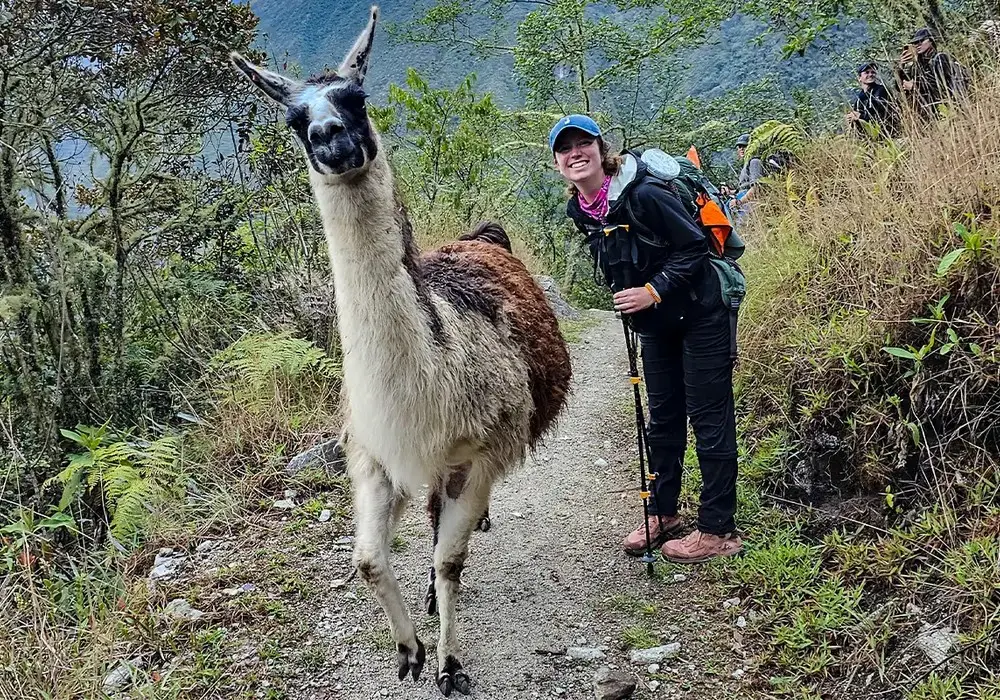
Because the route crosses more ecosystems—high mountains, valleys, jungle—you’re likely to encounter more biodiversity. Horses, llamas, vizcachas, and tropical birds are common sights.
10. Final Arrival to Machu Picchu
This is where the emotional experience differs significantly.
Inca Trail Arrival
You reach Machu Picchu through the Sun Gate (Inti Punku) at sunrise. You see the entire citadel from above after days of effort. It’s one of the most iconic, emotional moments for trekkers worldwide.
Salkantay Arrival
You arrive at Aguas Calientes and visit Machu Picchu the next morning. The emotional impact is still strong, but it does not have the Sun Gate reveal unless you hike additional sections.
Which Trek Should You Choose?
The choice between Salkantay vs Inca Trail comes down to your priorities:
Choose Inca Trail if:
- You care deeply about archaeology and ancient ruins
- You want a historic, cultural trek
- You dream of entering through the Sun Gate
- You prefer regulated campsites and controlled crowds
Choose Salkantay if:
- You want dramatic mountain scenery
- You prefer a challenging, high-altitude adventure
- You like flexibility
- You want a more affordable trek
- You enjoy remote, wild landscapes
There’s no wrong choice—just different experiences.
Conclusion
Choosing between the Salkantay vs Inca Trail trek depends entirely on your personality and what type of adventure you want. One route immerses you in history; the other surrounds you with dramatic nature. One requires planning months ahead; the other lets you be spontaneous. Both offer unforgettable ways to reach Machu Picchu and create memories that last a lifetime. Whether you decide on the Inca Trail or Salkantay, prepare well, acclimatize, respect the environment, and enjoy every step of your journey through the heart of the Andes. In the end, the trek you choose becomes part of your personal story—and either path leads you to one of the world’s most extraordinary ancient wonders.