

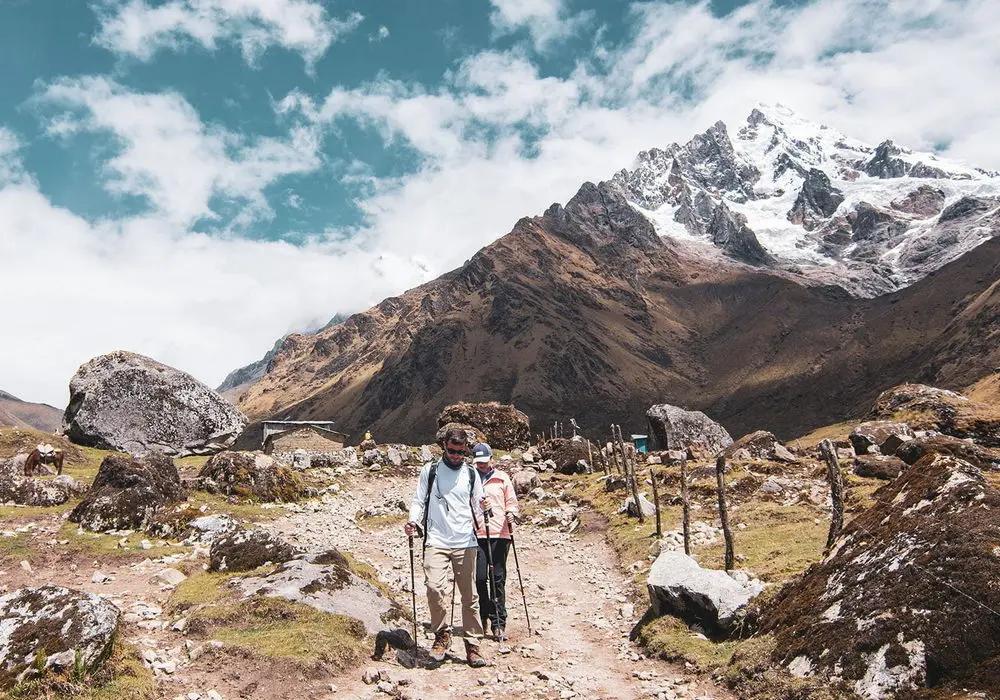
Choosing between a Salkantay lodge-to-lodge experience and a traditional camping-style trek is one of the biggest decisions travelers face when planning their journey to Machu Picchu. Both routes follow the same legendary Andean landscapes, climb toward the towering Salkantay Pass, and end with the thrill of arriving at the “lost city” after several days on the trail. But the experience itself—comfort, cost, pace, atmosphere, and overall travel style—can feel very different depending on whether you stay in mountain lodges or camp under the stars.
This guide compares the two options in depth so you can decide which one truly fits your expectations, your physical needs, and the type of adventure you want. By the end, you’ll know whether Salkantay lodge accommodations or the camping route offers the better experience for your travel style.
What Makes the Salkantay Trek Unique?
Before comparing lodge-to-lodge vs camping, it’s important to understand why the Salkantay Trek has become one of the most popular routes to Machu Picchu. Unlike the Inca Trail, which is limited to 500 daily permits, Salkantay is open year-round with no strict permit caps. That single factor already changes the dynamic of the logistics, crowds, and availability.
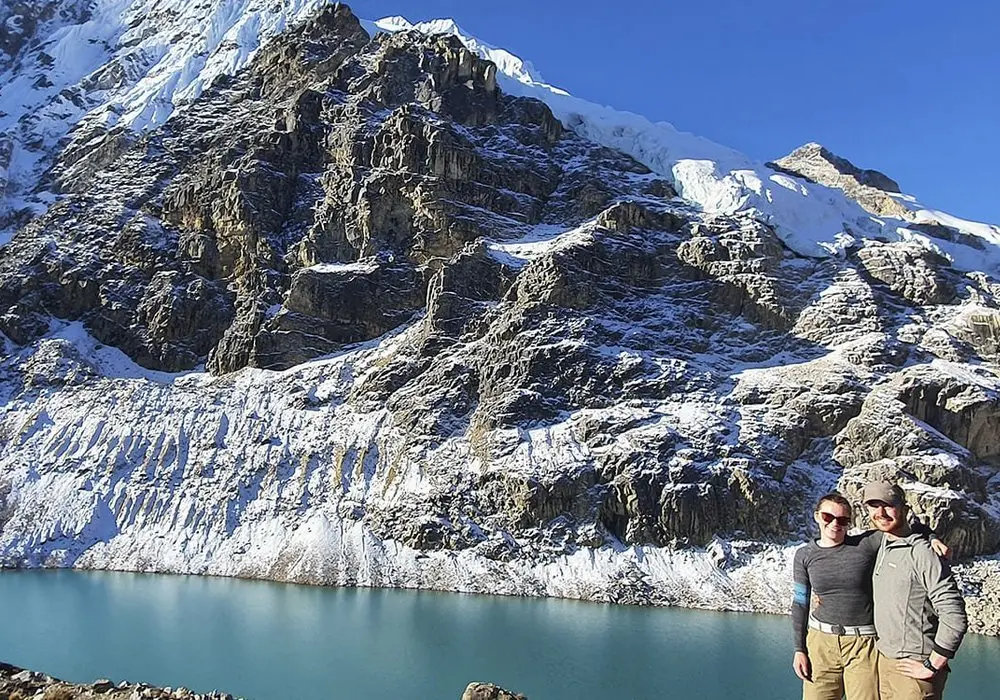
But the real magic is in the terrain: the Salkantay route takes you from glacier-covered mountains above 4,600 m (15,000 ft) to tropical cloud forest in just a few days. Trekkers cross roaring rivers, walk through Andean farming communities, explore alpine lakes like Humantay, and follow ancient pathways once used by Inca traders. The diversity is astounding, and the journey feels truly epic.
Both the camping and lodge-to-lodge versions follow this spectacular route. The difference lies in how you experience it: rugged and adventurous, or comfortable and curated.
What Is the Salkantay Lodge-to-Lodge Trek?
A Salkantay lodge-to-lodge trek is a premium version of the route where hikers stay in established mountain lodges rather than campgrounds. These lodges often include:
- Heated rooms or heated beds
- Hot showers
- Private bathrooms
- Gourmet Andean meals
- Cozy communal lounges
- Access to spas or hot tubs (in some cases)
- Luggage transport by mules or staff
The idea is simple: experience the rugged, dramatic landscapes of the Andes but return each day to a warm, comfortable lodge with amenities more aligned with boutique adventure travel.
This option is especially attractive to travelers who want high levels of comfort, older hikers who want a bit more rest at night, honeymooners, or anyone who appreciates a refined adventure without sacrificing the wild beauty of the route.
What Is the Camping-Style Salkantay Trek?
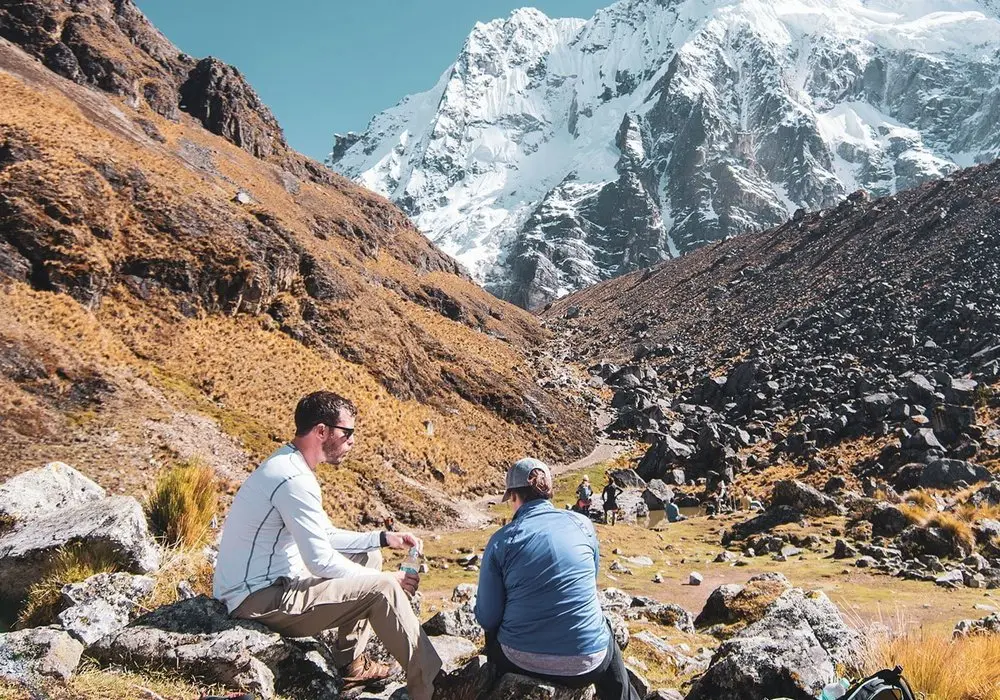
The traditional Salkantay camping trek is far more rustic, much closer to classic backpacking or expedition-style trekking. You sleep in tents (often double-occupancy), and meals are prepared by trekking chefs in mobile kitchens. Camps may include:
- Tents pitched on open terrain or designated areas
- Alpine huts or domes in some tour operator setups
- Portable toilets or shared campground facilities
- Simple dining tents
- No heating—nights can be freezing during dry season
While it’s less luxurious, it’s also more adventurous. Many hikers enjoy the authenticity, the sense of camaraderie around evening meals, and the pure outdoor immersion. And of course, camping-style treks are significantly more budget-friendly.
Salkantay Lodge-to-Lodge vs Camping: Full Comparison
Below is a detailed, point-by-point comparison across comfort, cost, logistics, weather resilience, crowds, and ideal traveler types.
1. Comfort Level: Lodges Offer Far More Amenities
For pure comfort, the Salkantay lodge option is the clear winner. Lodges typically provide real beds, hot water, electricity, and heated rooms—amenities that make a dramatic difference when trekking at high altitude.
Camping, by contrast, exposes you to cold mountain nights, occasional rain, mud, early wake-up calls, and limited personal space. While some operators offer upgraded domes, the overall comfort level cannot match a lodge.
Best for comfort: Lodge-to-lodge
Best for those who enjoy roughing it: Camping
2. Cost Difference: Camping Is Significantly Cheaper
A lodge-based trek can cost 3–4 times more than camping versions. Prices vary by operator and season, but the main reasons for the higher cost include:
- High-end lodging operations
- Gourmet meals and trained chefs
- Smaller group sizes
- Heated rooms and amenities
- High staff-to-guest ratio
- Mule support for luggage
Camping is far more accessible: large group sizes, simpler logistics, and lower overhead keep prices low.
Best for budget travelers: Camping
Best for travelers prioritizing comfort: Lodges
3. Altitude & Acclimatization: Both Options Require the Same Preparation
No matter how you sleep, the altitude demands respect. The Salkantay Pass reaches approximately 4,630 m (15,190 ft), one of the highest points on any trek to Machu Picchu. Both camping and lodges follow similar altitude profiles, so acclimatization needs remain identical.
What changes is your recovery at night. With better beds, warmth, and nutrition, some hikers find that a Salkantay lodge experience helps their bodies adjust more easily.
4. Scenery & Trail Experience: Identical for Both Options
Both versions use essentially the same path, meaning:
- You’ll visit Humantay Lake
- You’ll cross the Salkantay Pass
- You’ll descend into the cloud forest
- You’ll follow the river valleys toward Aguas Calientes
You don’t miss any major viewpoints by choosing one option over the other.
Winner: Tie
5. Logistics & Transportation: Lodges Are More Streamlined
Lodge-to-lodge treks handle luggage transfer seamlessly, usually allowing you to carry only a daypack. Groups are smaller (often 8–12 hikers), and itineraries are more structured.
Camping involves more gear, more setup time, and often larger groups (12–20+). While not a problem for many, it does affect pace and atmosphere.
6. Food Quality: Lodges Offer More Refined Meals
Meals on lodge-based treks often include:
- Multi-course dinners
- Local Andean fusion cuisine
- Fresh ingredients brought from Cusco
- Dietary customization
- Breakfast buffets
- Wine or cocktails (sometimes)
Camping meals are hearty and surprisingly good given the limited kitchen setup, but they remain simpler—usually rice dishes, soups, quinoa-based meals, stews, and pasta.
Winner: Lodges
7. Privacy & Sleep Quality
Camping can be loud depending on wind, rain, neighboring groups, dogs in nearby villages, or general outdoor noise. Temperatures can drop below freezing.
Lodges offer:
- Doors that close
- Better insulation
- Real mattresses
- Consistent temperatures
- More privacy
Winner: Lodges
8. Weather Protection
Camping exposes you to the elements. Heavy rain, cold winds, condensation inside tents, or muddy terrain can affect your rest and energy levels.
Lodges provide strong weather protection and reduce stress during rainy or cold seasons.
Winner: Lodges
9. Atmosphere: Adventure vs Comfort
Camping is perfect for trekkers who want the classic expedition feel—unfiltered nature, open skies, and a raw connection to the Andes.
Lodges create a more refined, calm environment. Evenings include fireplaces, conversations over wine, and quiet relaxation.
Winner: Depends on your travel style**
Pros and Cons of Each Experience
⭐ Advantages of Salkantay Lodge-to-Lodge
- Outstanding comfort
- Hot showers and heated rooms
- Better food quality
- Ideal for older travelers or beginners
- Easier recovery at altitude
- Small, intimate group sizes
- Great for special occasions (honeymoons, anniversaries)
❗ Disadvantages
- Much more expensive
- Fewer daily departures
- Spots sell out quickly
- Less “adventure feel”
⭐ Advantages of Salkantay Camping Treks
- Very affordable
- More departure dates
- Larger variety of tour companies
- More social atmosphere
- More traditional Andean trekking feel
- Suitable for backpackers and budget travelers
❗ Disadvantages
- Cold nights and unpredictable weather
- Less privacy
- Simpler meals
- Harder recovery at high altitude
- Basic facilities in most camps
Sample Lodge-to-Lodge Itinerary (5 Days)
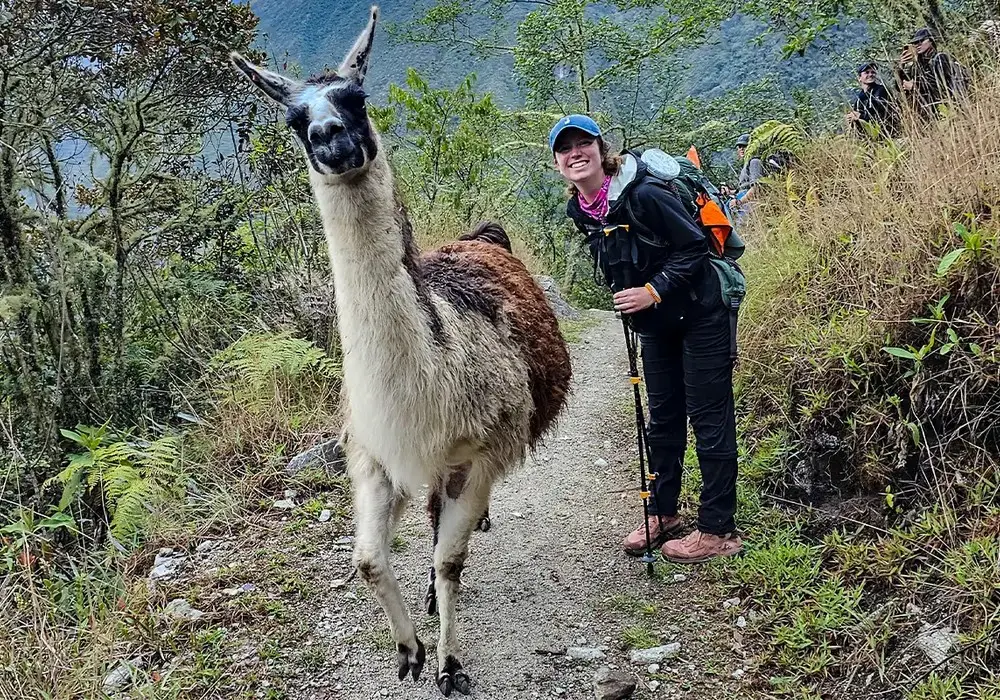
Below is an example itinerary so you can visualize what a Salkantay lodge adventure feels like:
Day 1: Cusco – Soraypampa Lodge + Humantay Lake
- Drive from Cusco to Soraypampa
- Lunch in the lodge
- Afternoon hike to Humantay Lake
- Overnight in a heated room
Day 2: Soraypampa – Salkantay Pass – Wayra Lodge
- Early breakfast
- Trek to Salkantay Pass
- Slow descent to Wayra Lodge
- Hot showers and dinner
Day 3: Wayra Lodge – Colpapampa – Third Lodge
- Descent through dramatic valley
- Warmer climate
- Organic lunch
- Evening massage (optional)
Day 4: Cloud Forest – Coffee Route – Lucmabamba
- Coffee tasting
- Visit local farms
- Overnight in lodge
Day 5: Llactapata Viewpoint – Aguas Calientes
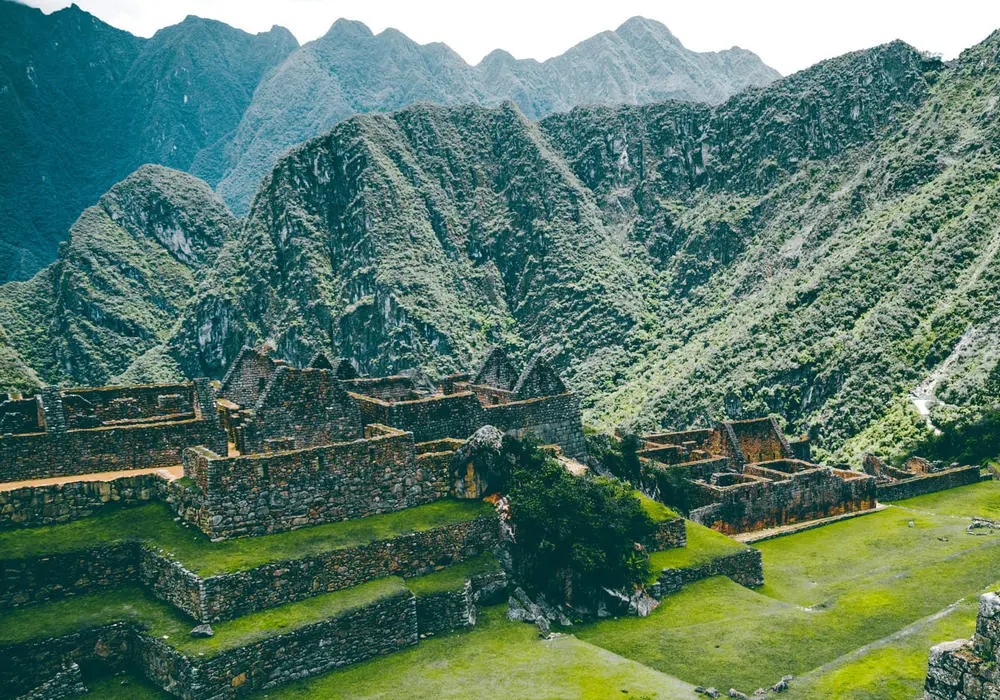
- Incredible view of Machu Picchu
- Train to Aguas Calientes
- Prepare for Machu Picchu visit
Which Travelers Should Choose Lodge-to-Lodge?
- Travelers who want comfort and luxury
- Trekkers sensitive to cold
- People worried about altitude recovery
- Couples or honeymooners
- Mature travelers
- First-time trekkers
- Those with a higher budget
- Travelers who prefer small groups
Who Should Choose Camping?
- Backpackers
- Budget travelers
- Young adventurers
- People wanting a raw outdoor experience
- Solo travelers looking to meet others
- Anyone who enjoys classic expedition-style trekking
Final Decision: Salkantay Lodge vs Camping — Which One Wins?
There is no universal “best” option—only the option that fits who you are as a traveler. If you want a premium Andean adventure where your comfort is guaranteed each night, the Salkantay lodge experience is the perfect match. If you prefer rugged trails, star-filled nights, and a more affordable journey, the camping route might be exactly what you’re looking for.
Whichever you choose, the landscapes, the cultural encounters, and the reward of arriving at Machu Picchu remain unforgettable.