

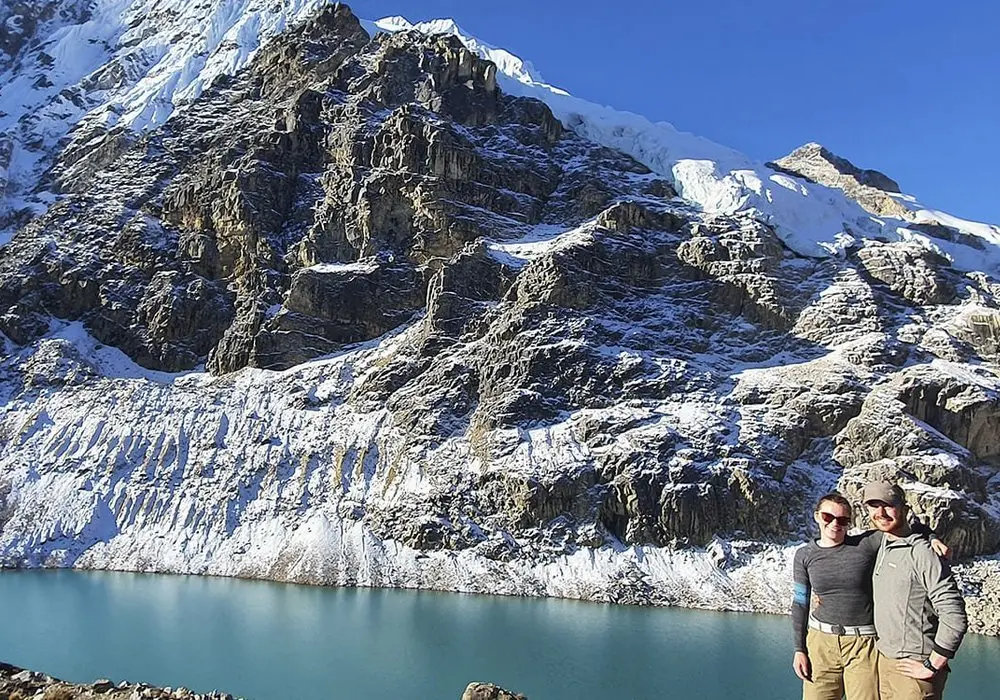
Altitude-related challenges are one of the first concerns that trekkers face when planning their adventure in Peru, and nowhere is this more relevant than on the Salkantay route. Dealing with altitude sickness Salkantay is not simply a matter of drinking coca tea and hoping for the best. The Salkantay Trek climbs to elevations above 4,600 meters (15,100 ft), including the high Salkantay Pass, where oxygen levels drop significantly and the body must work much harder than normal. Understanding how altitude affects your system, and preparing properly before stepping onto the trail, can transform your entire trekking experience.
This article offers a deeply detailed, practical, and human explanation of how to prevent, recognize, and treat altitude sickness during the Salkantay Trek. It includes expert advice, real acclimatization timelines used by local guides, technical explanations of why symptoms appear, and step-by-step recommendations that experienced trekkers follow before reaching high-altitude camps. The goal is not to scare you, but to empower you with all the information you need so altitude becomes a manageable variable—not a trip-ending risk.
Understanding Altitude Sickness and Why It Happens
Altitude sickness, or Acute Mountain Sickness (AMS), occurs when the body ascends faster than it can adapt to lower oxygen levels. On the Salkantay Trek, this matters because the trail begins around 3,800 meters and climbs rapidly to 4,630 meters at the Salkantay Pass—an elevation where breathing becomes noticeably more difficult even for seasoned hikers.
The Physiology Behind AMS
The higher you travel, the thinner the air becomes. Oxygen molecules remain the same, but air pressure drops, meaning each breath brings in fewer usable oxygen particles. The body compensates by:
- Increasing breathing rate
- Elevating heart rate
- Thickening blood to carry more oxygen
These changes take time. Without enough acclimatization, the body’s response becomes overwhelmed, leading to symptoms such as headache, nausea, dizziness, fatigue, and loss of appetite.
Understanding this basic physiology is essential, because the Salkantay route includes one of the highest trekking passes accessible without technical climbing. Travelers who underestimate its altitude often struggle on day two, even if they are fit, young, or experienced.
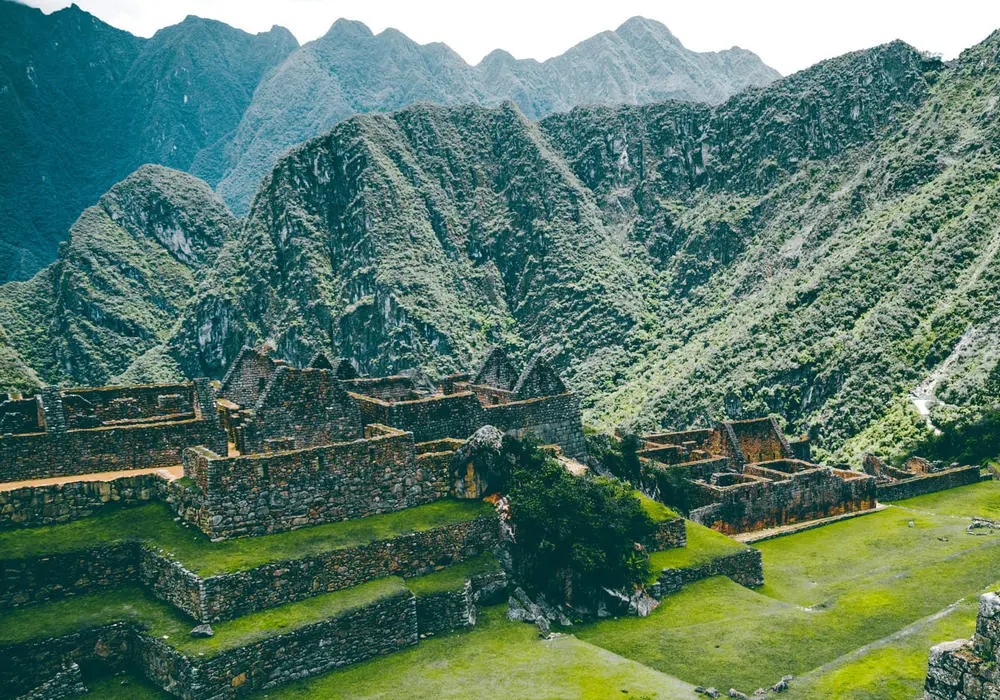
Why the Salkantay Trek Requires Serious Acclimatization
The Salkantay itinerary is unique because it places trekkers at high elevation almost immediately. Unlike the classic Inca Trail, which begins lower and elevates gradually, Salkantay’s altitude profile is abrupt.
Key Elevations on the Route
- Cusco: 3,399 m (11,151 ft)
- Soraypampa Camp (Night 1): 3,900 m (12,795 ft)
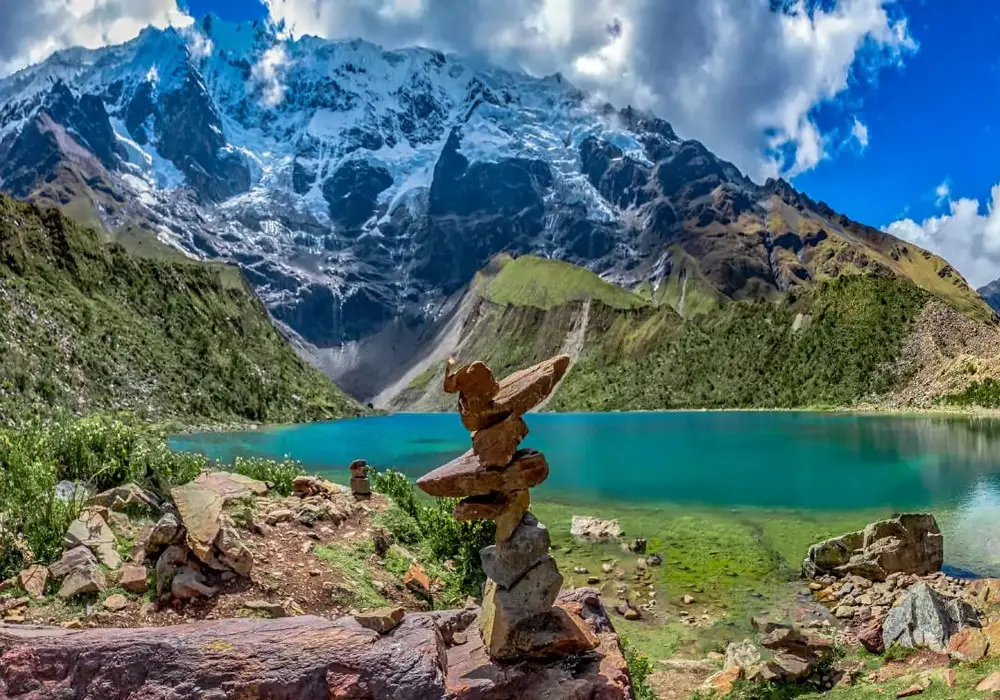
- Humantay Lake: 4,200 m (13,780 ft)
- Salkantay Pass: 4,630 m (15,190 ft)
Most altitude-related issues occur during the ascent to the pass on Day 2. Travelers who arrive in Cusco and begin the trek the next morning are the most vulnerable. Proper preparation is not optional—it’s essential.
Acclimatization Schedule Before the Salkantay Trek
A structured acclimatization plan is one of the most effective ways to prevent altitude sickness Salkantay. Below is a schedule used by many local guides when advising clients.
Ideal Acclimatization Plan (3–4 Days in Cusco)
Day 1 — Arrival in Cusco
- Rest, hydrate, walk slowly through the historic center
- Avoid alcohol and heavy food
- Drink coca tea or muña (Andean mint)
Day 2 — Light Acclimatization Hike
- Recommended destinations at moderate altitude:
- Saqsayhuamán
- Q’enqo
- San Cristóbal viewpoint
- Keep pace slow and steady
Day 3 — Medium Altitude Activity
Choose one of the following:
- Sacred Valley (Pisac, Ollantaytambo)
- Maras + Moray
- Chinchero plateau
All stay below 3,800 m, helping the body adapt progressively.
Day 4 — Optional High Altitude Challenge
If your body is responding well, consider:
- Palcoyo (4,900 m)
- Rainbow Mountain (5,100 m)
These hikes demand effort, so only attempt them if you feel strong.
Short Acclimatization Option (48 Hours Minimum)
If you are short on time:
- Spend one night in Cusco
- Spend the second night in Ollantaytambo (lower altitude)
- Avoid strenuous activity
- Drink plenty of water and eat lightly
The more acclimatization time you give your body, the lower your risk of AMS. You cannot rush acclimatization; your body chooses the pace.
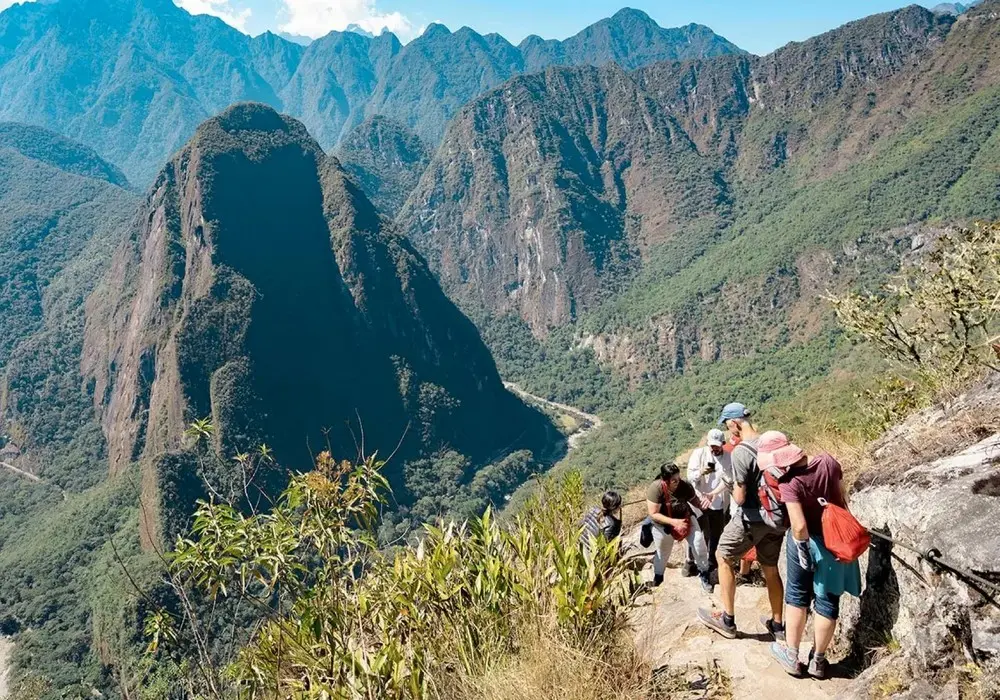
Recognizing Early Symptoms of Altitude Sickness
Being able to identify AMS early prevents complications. Symptoms usually appear between 2,500 m and 4,000 m and worsen with rapid ascent.
Common Symptoms
- Persistent headache
- Nausea or vomiting
- Dizziness
- Loss of appetite
- Fatigue
- Trouble sleeping
- Shortness of breath
Severe Symptoms Requiring Immediate Descent
- Confusion or disorientation
- Coordination problems
- Inability to walk in a straight line
- Persistent vomiting
- Fluid in the lungs (high altitude pulmonary edema or HAPE)
- Brain swelling (HACE), indicated by severe confusion
Severe AMS is rare on the Salkantay Trek, but it can happen, especially for travelers who ascend too quickly or ignore early warning signs.
Hydration and Nutrition: Essential Elements for Prevention
Hydration plays a fundamental role in preventing altitude sickness Salkantay. At high elevation, the respiratory system loses more moisture because breathing becomes faster, yet travelers often underestimate their fluid needs.
Hydration Guidelines
- Drink at least 2.5–3 liters of water per day
- Add electrolyte tablets to one bottle daily
- Avoid dehydrating drinks: alcohol, energy drinks, excess coffee
Electrolytes help maintain sodium balance, preventing headaches and improving overall energy levels.
Nutrition Tips
- Choose light, carbohydrate-rich meals
- Avoid heavy or greasy foods
- Eat small, frequent snacks
- Carry simple trail snacks such as nuts, fruit, granola bars, or coca candies
Carbohydrates metabolize more efficiently at altitude, providing quick energy without stressing the digestive system.
Pacing Yourself on the Trail: The Importance of Going “Pole, Pole”
Experienced trekking guides repeat one phrase over and over: “Go slowly.” The body handles altitude far better when physical exertion remains low and steady.
Pacing Strategies
- Begin the trek at a slow, controlled pace
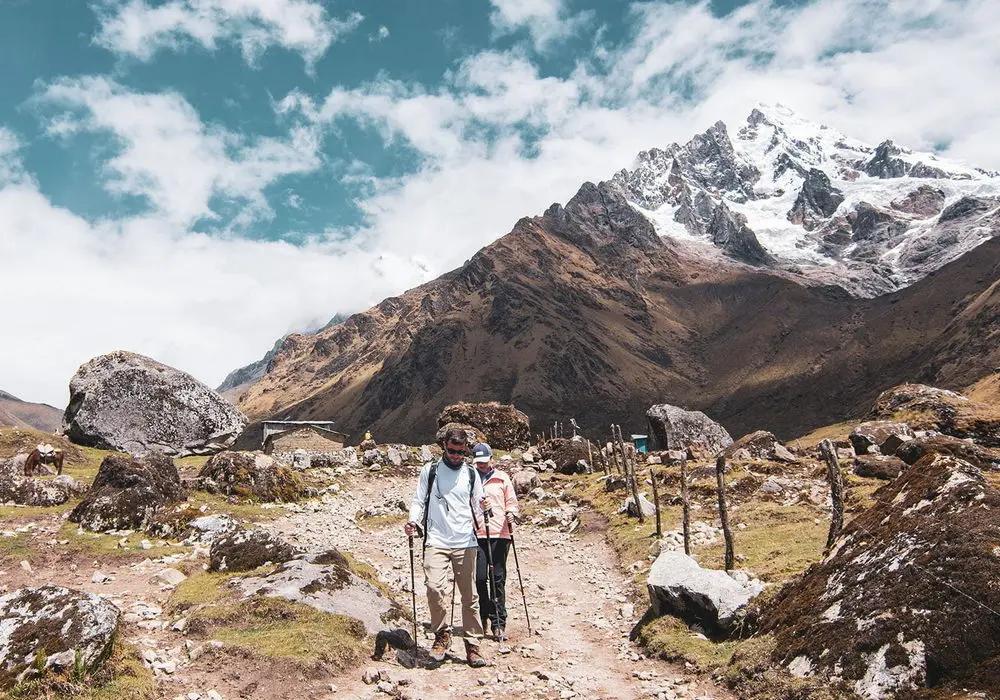
- Use trekking poles for stability and to reduce heart rate spikes
- Take short breaks every 20–30 minutes
- Avoid sprinting, even on flat sections
- Focus on deep, rhythmic breathing
Ascending the Salkantay Pass is not a race. The mountain will be there whether you arrive five minutes earlier or later.
How Coca Tea, Muña, and Traditional Remedies Help
In Andean culture, coca leaves have been used for centuries to help with altitude adaptation. Their mild stimulant properties improve circulation and reduce fatigue.
Coca Tea (Mate de Coca)
Helpful for:
- Mild headache
- Fatigue
- Nausea prevention
Muña Tea (Andean Mint)
Helpful for:
- Digestion
- Altitude-related stomach discomfort
- Relaxation before sleep
Coca Leaves (Chacchar)
Some guides teach trekkers how to place coca leaves in the cheek and gently release alkaloids. It can help during steep ascents.
Traditional remedies are not substitutes for medical treatment, but they are beneficial as complementary approaches.
Medications Used to Prevent AMS on the Salkantay Trek
There are three commonly used medications for altitude issues. Always consult your physician before taking any medication.
1. Acetazolamide (Diamox)
This is the most effective pharmaceutical for preventing and reducing AMS symptoms.
Benefits:
- Speeds acclimatization
- Reduces headaches
- Improves breathing at night
Common dosage:
125–250 mg every 12 hours, starting one day before arrival at altitude.
2. Ibuprofen
Helps relieve headache and inflammation.
3. Anti-nausea Medication
Useful for trekkers who experience stomach discomfort at altitude.
Oxygen Availability on the Trail
Most licensed Salkantay operators carry oxygen cylinders and portable pulse oximeters. Oxygen is used only when absolutely necessary, usually to stabilize a trekker before evacuation.
Sleeping at Altitude: How to Improve Comfort and Oxygen Flow
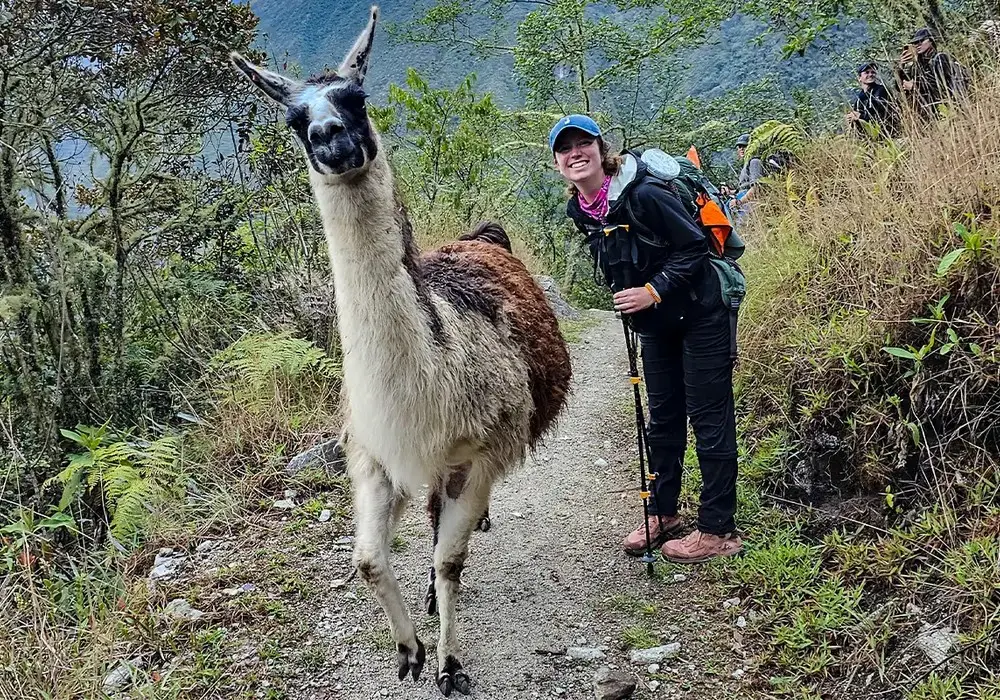
One of the most challenging nights on the Salkantay Trek is the first one at Soraypampa, located at nearly 3,900 meters. Many trekkers feel breathless as soon as they lie down.
Tips for Sleeping Better at Altitude
- Sleep slightly elevated (extra blanket under your pillow)
- Avoid alcohol entirely
- Keep your tent ventilated
- Take slow, deep breaths
- Use a sleeping bag rated for cold conditions
- Drink warm muña tea before bed
Short periods of interrupted sleep are normal at altitude. Your body simply needs time to adjust.
Emergency Procedures and When to Descend
Even with the best preparation, some trekkers develop more serious symptoms. Rapid descent is the single most effective cure.
Signs You Must Descend Immediately
- Confusion
- Difficulty walking
- Chest tightness
- Blue lips or fingernails
- Persistent vomiting
- Wet-sounding cough
Salkantay is a relatively accessible trek in terms of rescue logistics. Horse evacuation is available in most cases, and guides are trained to recognize danger early.
Mental Preparation: Staying Calm at High Altitude
Panic can worsen symptoms. Many trekkers mistake normal altitude effects—like shortness of breath—for something severe. Understanding what is normal and what is not can reduce anxiety.
What Is Normal
- Breathing faster
- Feeling tired during the ascent
- Mild headache
- Mild loss of appetite
What Is Not Normal
- Severe headache
- Disorientation
- Inability to walk normally
Knowing the difference helps trekkers maintain confidence and control.
Hydration Strategies During the High Pass Day
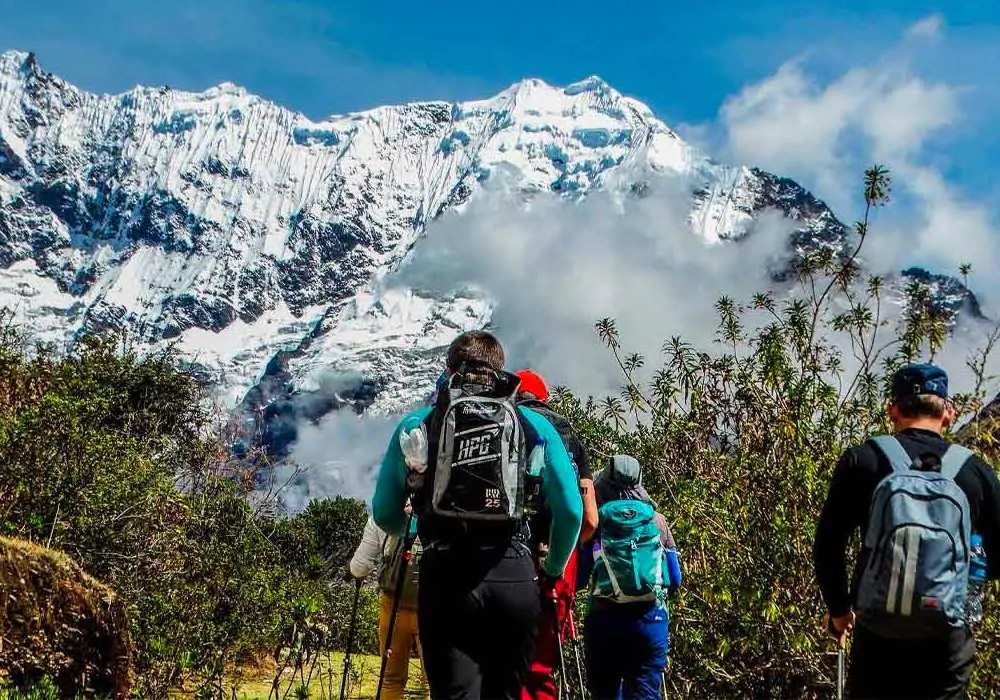
The ascent to the Salkantay Pass is the most demanding section of the trek. Hydration becomes crucial because the cold air often masks thirst.
Recommended Hydration Pattern
- Drink 500 ml before starting
- Sip regularly every 10–15 minutes
- Add electrolytes half-way to the pass
- Avoid drinking too much at once to prevent stomach discomfort
Many trekkers underestimate hydration because temperatures are low near the pass. Don’t make this mistake—your body still loses significant fluids through increased respiration.
The Role of Trekking Poles in Preventing AMS
Trekking poles are not just for stability; they also reduce the cardiovascular strain of steep climbs. By distributing part of your weight to your arms, poles help maintain a more stable heart rate, which is essential for avoiding altitude sickness Salkantay.
How Poles Help at Altitude
- Reduce leg fatigue
- Lower perceived effort
- Encourage steady pacing
- Provide support during rocky sections
On the descent from the pass, poles also protect the knees, allowing you to move more efficiently.
Why Fitness Helps—but Does Not Guarantee Protection
One of the most common misconceptions is that physically fit trekkers never struggle with altitude. The truth is that altitude tolerance is independent of fitness level. Marathon runners can suffer AMS, while older hikers with less conditioning may experience no symptoms at all.
Fitness Helps With:
- Endurance during long climbs
- Recovery time
- Muscular efficiency
Fitness Does NOT Control:
- Oxygen adaptation
- Acclimatization speed
- Altitude tolerance
This is why acclimatization and pacing remain far more important than physical conditioning alone.
Environmental Factors That Increase Altitude Sickness Risk
1. Rapid Ascent
Beginning the trek too soon after arriving in Cusco is the number one risk factor.
2. Dehydration
Even mild dehydration significantly increases AMS symptoms.
3. Overexertion
Climbing too fast overwhelms the body’s oxygen demands.
4. Poor Sleep
Lack of rest weakens the acclimatization process.
5. Cold Exposure
Cold constricts blood vessels, slowing oxygen delivery.
Recognizing these factors helps trekkers plan more intelligently.
How Weather Affects Altitude Symptoms
The Salkantay region is known for dramatic weather shifts. Sudden storms, temperature drops, or strong winds can heighten fatigue and AMS symptoms.
Dry Season Weather (May–September)
- Clear skies
- Cold nights
- Strong UV radiation
Rainy Season Weather (November–March)
- Heavy afternoon rain
- Higher humidity
- Lower temperatures
Weather cannot be controlled, but preparation makes a significant difference.
Case Study: A Realistic Example of AMS on the Salkantay Trek
Imagine a traveler who arrives in Cusco at night and begins the trek the next morning. On the first day, they reach Soraypampa camp at 3,900 meters. That night, they experience:
- Strong headache
- Nausea
- Fatigue
- Poor sleep
The next morning, they attempt the pass at 4,630 meters but struggle immediately, needing frequent breaks. Their heart rate remains high, and symptoms worsen. Eventually, the guide decides that descent is necessary.
What Went Wrong?
- No acclimatization period
- Overexertion on the first day
- Poor hydration
- Rapid altitude change
How This Could Have Been Avoided
- Spending two nights in Cusco
- Hydrating continuously
- Eating lightly
- Walking slowly up to Soraypampa
Stories like this are extremely common. Prevention is far easier than treatment.
Community and Cultural Practices That Help Trekkers
Andean communities have lived at altitude for thousands of years. Their knowledge is invaluable.
Local Guide Recommendations
- Walk “paso a paso” (step by step)
- Breathe deeply through the nose
- Avoid cold windy spots during rest
- Drink coca or muña tea regularly
- Respect the pace of the group
Listening to your guide is one of the best ways to prevent problems.
Checklist: How to Prevent Altitude Sickness on the Salkantay Trek
This checklist summarizes key strategies you can screenshot or print:
- Spend 2–4 days acclimatizing
- Hydrate consistently (2.5–3 liters per day)
- Add electrolytes
- Eat light, carbohydrate-rich meals
- Avoid alcohol
- Sleep well before the trek
- Take Acetazolamide if recommended
- Pace yourself “slow and steady”
- Use trekking poles
- Recognize early symptoms
- Communicate with your guide
- Descend if symptoms worsen
Conclusion
Managing altitude sickness Salkantay is not about luck—it is about preparation, knowledge, and respecting your body. The Salkantay Trek is one of the most spectacular journeys in Peru, but its high elevation demands a thoughtful approach. By acclimatizing properly, hydrating consistently, pacing yourself patiently, and listening to both your guide and your own body, you can experience the entire route safely and confidently. Altitude may challenge you, but it does not have to define your trek. With the right preparation and mindset, you’ll stand at the Salkantay Pass with clarity, strength, and a full appreciation for the stunning Andean landscape around you. And when you reach Machu Picchu, you’ll know that your success was built on smart planning—beginning with a deep understanding of how to avoid altitude sickness on the Salkantay Trek.