

Choosing the best time to hike the Salkantay Trek is essential for enjoying one of Peru’s most breathtaking routes to Machu Picchu. While this trail can be completed almost year-round, the Andes have distinct weather patterns that influence trail conditions, visibility, safety, and overall comfort. Understanding how each season affects temperatures, rainfall, and crowd levels will help you plan a trek that matches your goals—whether you want the clearest mountain views, the quietest campsites, or the most stable trail conditions.
This guide breaks down every season in detail, explains month-by-month weather changes, and shares practical tips from local trekking experts who have walked this trail hundreds of times.
Understanding Andes Weather on the Salkantay Trek
The Salkantay region sits at the intersection of high Andean peaks and cloud-forest valleys, creating rapidly shifting microclimates. Temperatures can swing dramatically within the same day—from frosty mornings near −5°C (23°F) at Soraypampa to warm, humid afternoons once you descend toward the jungle.
This contrast is part of the trek’s magic, but it also means hikers must prepare for sudden changes, regardless of the season.
Although weather can vary from year to year, the Andes follow a predictable pattern:
- Dry Season: April to October
- Rainy Season: November to March
- Peak Crowds: June, July, August
- Quietest Trails: December, January, February, early March
Understanding these cycles will help you determine the best time to hike the Salkantay Trek based on your priorities—scenery, solitude, price, or trail stability.
Dry Season (April–October): The Most Popular Time to Hike
Why hikers choose the dry season
During the dry season, weather conditions align almost perfectly with what most travelers expect: bright skies, stable trails, and excellent visibility. This period offers the highest number of clear mornings, which is crucial when crossing the Salkantay Pass at 4,630 m (15,190 ft).
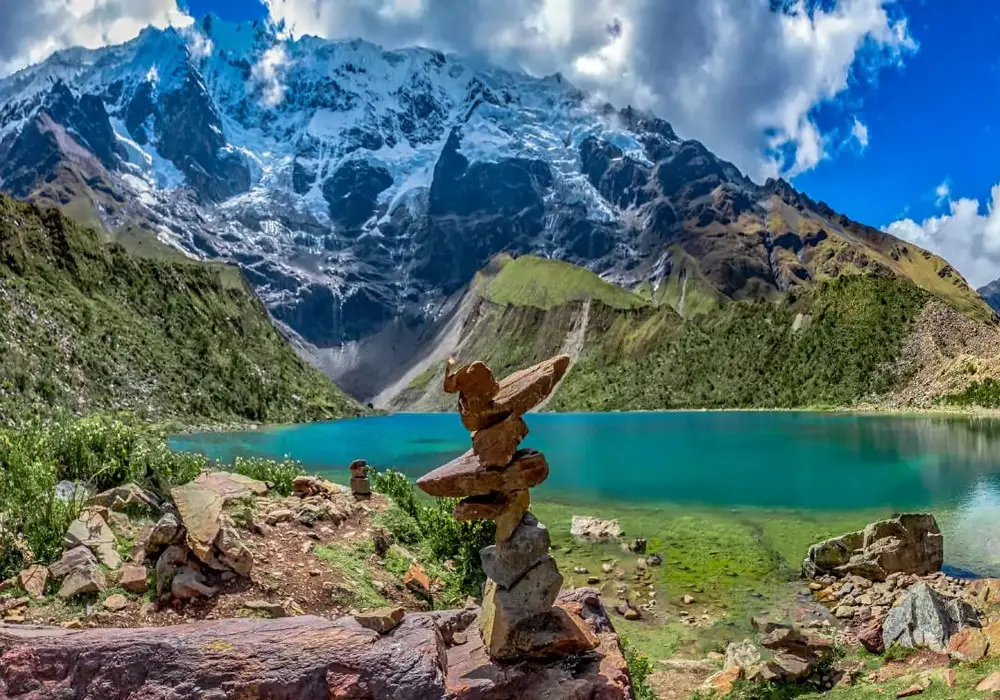
The mountains appear crisp and dramatic, the turquoise waters of Humantay Lake are especially vibrant, and nights—although cold—are predictably clear.
Weather characteristics
- Temperatures:
- Day: 10–18°C (50–64°F)
- Night: −5 to 0°C (23–32°F) at Soraypampa
- Rainfall: Minimal
- Visibility: Excellent throughout the day
- Trail conditions: Dry, stable, and safe
Crowds and logistical considerations
Because dry season is ideal, it’s also when the trail receives the highest number of hikers. Campsites like Soraypampa and Chaullay feel lively and energetic, but if you’re hoping for solitude, you’ll find fewer empty sections of trail during these months.
Tours, trains, and accommodation in Aguas Calientes also reach their highest prices, especially in June–August.
Best dry-season months
- May: Ideal balance—great weather, fewer crowds than June–August
- June–August: Peak season, best visibility, very cold nights
- September: Warm days, beautiful skies, fewer people
If your goal is the most reliable weather, the dry season is the best time to hike the Salkantay Trek.
Rainy Season (November–March): Lush Landscapes and Fewer Tourists
Why some hikers prefer the rainy season
Contrary to what many travelers assume, the rainy season does not make the trail impassable. Instead, it transforms the landscape into lush green valleys, blooming high-Andean meadows, and mist-covered peaks that create an almost mystical atmosphere.
Rain showers typically come in bursts—short, intense periods rather than all-day storms. This season also brings the warmest nighttime temperatures, which many hikers appreciate.
Weather characteristics
- Temperatures:
- Day: 12–20°C (54–68°F)
- Night: 2–8°C (36–46°F)
- Rainfall: Moderate to heavy, especially January–February
- Visibility: Variable; mornings often clear, afternoons cloudy
- Trail conditions: Muddy, slippery, but manageable with proper boots
Crowds and pricing
This period sees far fewer hikers. Campsites feel spacious, guides provide more personal attention, and prices for tours and hotels drop significantly.
If you want a quiet trail and are prepared with waterproof gear, rainy season can be surprisingly rewarding.
Best rainy-season months
- November: Early rains, mostly stable weather
- March: Rain decreases, valleys remain beautifully green
January and February offer solitude but also the highest rainfall.
Month-by-Month Breakdown: Choosing the Ideal Window
January
Strongest rainfall of the year. Trails are quiet, mountain views sporadic. Not recommended for first-time hikers.
February
Still rainy; however, temperatures are mild and vegetation is at its fullest. Fewer tours operate.
March
Transition month—rain begins to ease. Landscape is green and fresh, rivers are high, and mornings often clear.
April
Start of the dry season. Excellent balance of stable weather and fewer hikers.
May
One of the best months of the year: crisp views, cool temperatures, and quieter trails than mid-season.
June
Peak visibility but also peak crowds. Extremely cold nights.
July
Very dry, very clear, very busy. Bring proper insulation layers.
August
Similar to July. Days are comfortable, nights remain freezing.
September
A favorite among guides: fewer hikers, stable skies, warmer temperatures.
October
Beginning of transitional rains. Still a good trekking month.
November
Start of rainy season but still manageable. Expect some showers, vibrant landscapes, and fewer people.
December
More rain, but the atmosphere is beautiful, and the trail becomes serene.
How Weather Affects Each Section of the Trek
Soraypampa and Humantay Lake (Day 1)
At over 3,800 m, mornings are crisp and clear in the dry season. During rainy months, the lake becomes even more turquoise due to increased mineral runoff.
Salkantay Pass (Day 2)
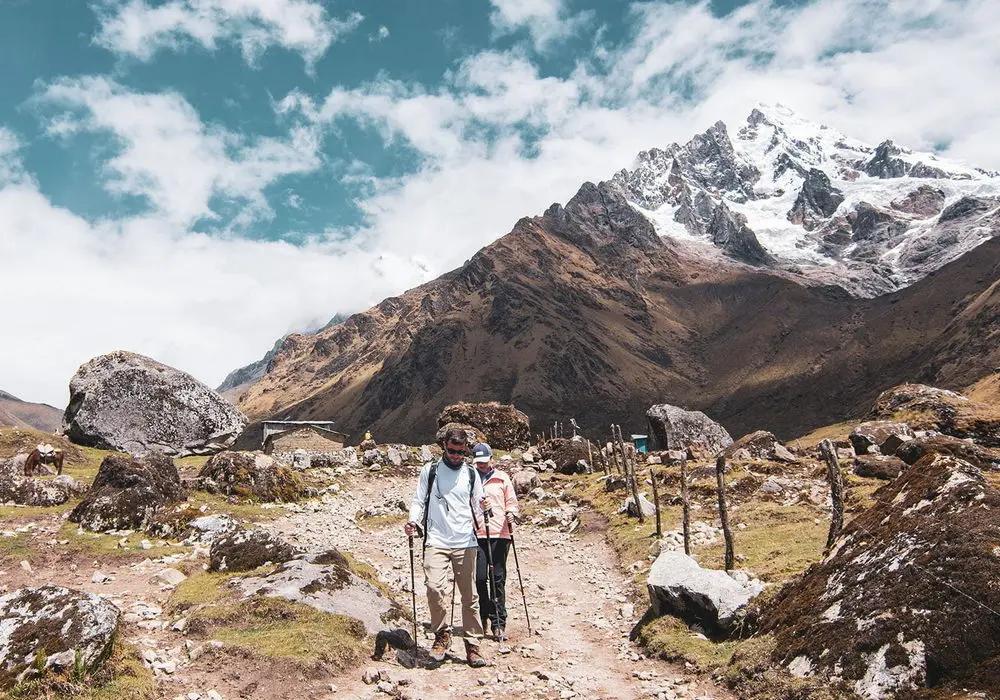
The most weather-sensitive section. In dry season, the pass offers postcard-perfect views of Salkantay Mountain. In rainy season, clouds may roll in quickly—starting early is essential.
Cloud Forest Descent
During dry months, the descent feels cooler; in rainy months, it becomes humid, green, and dotted with waterfalls.
Coffee Valley and Jungle Edge
Warm year-round, but in rainy months trails become muddier. Regardless of the month, this area gifts hikers with orchids, butterflies, and tropical birds.
Which Season Is Best for Photography?
- Dry Season: Clear shots of glaciers, stars at night, and sweeping vistas.
- Rainy Season: More dramatic skies, saturated colors, fewer people in photos, and mist that adds a mystical touch.
Photographers often prefer April, May, September, or October for the perfect blend.
Which Season Is Best for Avoiding Crowds?
If you want solitude without battling the heaviest rains:
- November
- March
- Early April
These periods give you the peaceful atmosphere many travelers hope for.
Which Season Is Best for Budget Travelers?
Prices drop noticeably between November and March, especially close to the holiday season.
Expert Tips for Choosing the Best Time to Hike the Salkantay Trek
- If you choose dry season, book early, especially June–August.
- If you choose rainy season, use waterproof gear and trek poles.
- For shoulder seasons, be prepared for mixed conditions—layers are essential.
- Start early every day to maximize clear morning skies.
Final Recommendation: When Is the Best Time to Hike the Salkantay Trek?
While the trek is accessible year-round, the months with the best combination of stable weather, beautiful scenery, and manageable crowds are:
April, May, September, and October
They offer the most consistent balance for hikers who want comfort, visibility, and fewer people than peak season.
Regardless of when you choose to go, proper preparation and realistic expectations will ensure a rewarding journey. With its dramatic glacier views, lush valleys, and unforgettable approach to Machu Picchu, the Salkantay route remains one of Peru’s most extraordinary adventures—and choosing the best time to hike the Salkantay Trek will help you enjoy it to the fullest.